
The iPad Mini 4, despite its legacy status in the Apple ecosystem, remains a relevant point of study for mobile cinematography and automated data capture. Driven by the A8 chip and its integrated Image Signal Processor (ISP), the device offers two primary video recording configurations: 1080p HD at 30 fps and 720p HD at 30 fps. This technical analysis evaluates the efficiency of these settings in the context of modern software workflows and AI-driven image stabilization.
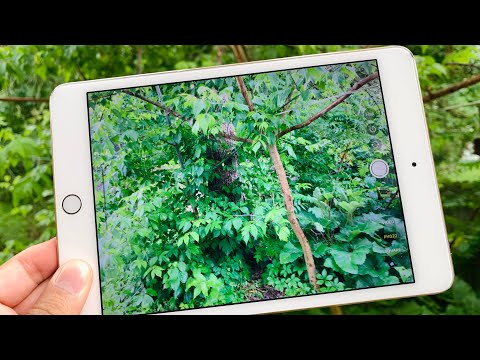
High-Definition Fidelity: 1080p vs. 720p
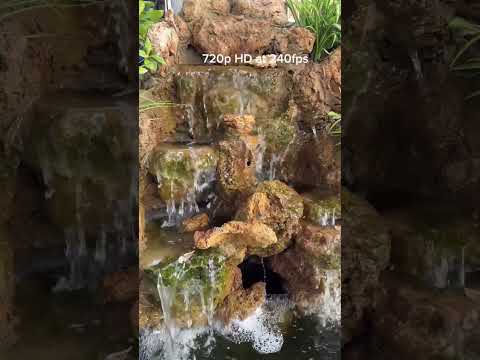
The 8MP iSight camera sensor on the iPad Mini 4 is engineered to prioritize color accuracy and noise reduction through software-level processing. When testing the 1080p HD setting, the bitrate remains consistent enough to support basic professional video conferencing and high-fidelity archival. The A8 chip’s ISP manages pixel binning and exposure compensation in real-time, ensuring that the 1920x1080 resolution maintains clarity even in variable lighting.
Conversely, the 720p HD setting serves as a high-efficiency alternative. By reducing the vertical and horizontal pixel density, the iPad Mini 4 optimizes storage throughput and reduces thermal throttling during long-form recording. For automated monitoring systems or AI-based object recognition tasks where ultra-high resolution is secondary to processing speed, the 1280x720 configuration provides a superior balance of data economy and computational overhead.
Software-Driven Stabilization and AI Efficiency

One of the standout features of the iPad Mini 4 video architecture is its cinematic video stabilization. While the device lacks hardware optical image stabilization (OIS), it utilizes advanced software algorithms to crop the sensor slightly and realign frames. This automation compensates for hand tremors, making the 1080p footage appear significantly smoother than raw sensor output would suggest. From an AI efficiency standpoint, this pre-processed stability reduces the need for heavy post-production stabilization filters, streamlining the path from capture to cloud upload.
AI Implementation Score
In the table below, we evaluate how the iPad Mini 4’s video capabilities integrate with modern AI-driven software environments:
| Category | Efficiency Score (1-10) | Technical Impact |
|---|---|---|
| ISP Encoding | 7/10 | H.264 hardware acceleration ensures low-latency video exports. |
| Automated Stabilization | 6/10 | Software-based alignment reduces motion blur for AI vision tasks. |
| Storage Optimization | 8/10 | 720p mode allows for extensive automated logging without filling local caches. |
| Real-time AI Analysis | 5/10 | Limited by A8 chip's neural processing compared to M-series silicon. |
Conclusion for Tech Stakeholders
The iPad Mini 4 camera system is a testament to how software can extend the lifecycle of hardware. By offering 1080p for quality-centric tasks and 720p for efficiency-centric automation, it remains a versatile tool for technical professionals. While it lacks the 4K capabilities of its successors, its ability to handle dual HD settings with consistent frame rates makes it an excellent candidate for streamlined video workflows and legacy tech integration.
