
With the release of iOS 26, Apple has further bridged the gap between passive notification displays and active, AI-driven command centers. The Lock Screen is no longer just a gateway; it is a sophisticated interface where predictive widgets and Neural Engine automation take center stage. For users looking to maximize their efficiency, configuring these widgets is the first step toward a seamless "zero-touch" mobile experience.
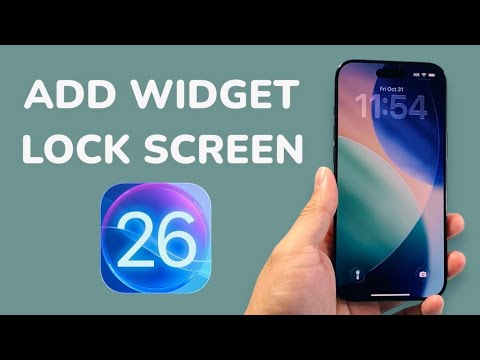
Step-by-Step: Adding Widgets in the iOS 26 Ecosystem
The process of customizing the Lock Screen has been streamlined to accommodate Generative UI elements that adapt based on your current context (Work, Home, or Transit). Follow these steps to initialize your setup:
1. Enter Customization Mode: Wake your iPhone and long-press on any empty area of the Lock Screen. Ensure your device is unlocked via FaceID to access the configuration layer.
2. Select Gallery: Tap the "Customize" button at the bottom of the screen, then select "Lock Screen" on the left. iOS 26 will present a grid of existing templates alongside an "AI Suggestion" layout based on your most-used automation routines.
3. Access the Widget Drawer: Tap on the rectangular area directly below the clock (the primary widget track) or the smaller area above the clock (the secondary inline track). This will launch the Widget Gallery.
4. Deploy Smart Widgets: Scroll through the list of available apps. In iOS 26, look for the "Neural Stack" icon. This specific widget uses local machine learning to rotate content—such as live LLM-generated summaries or real-time IoT status—automatically throughout the day.
5. Finalize and Sync: Once your desired widgets are positioned, tap "Done" in the top-right corner. You can choose to "Set as Wallpaper Pair" or further customize your Home Screen to match the aesthetic logic of your Lock Screen.
Advanced Automation: Conditional Widgets

The standout feature of iOS 26 is the ability to set Conditional Widget Visibility. By leveraging the updated Shortcuts integration, users can now program widgets to appear only when specific "Smart Triggers" are met. For example, your HomeKit dashboard widget can automatically replace your Calendar widget the moment your iPhone detects your home Wi-Fi SSID.
This level of software intelligence reduces cognitive load by ensuring that the only information presented is the information currently required by the user.
AI Implementation Score
To evaluate how effectively iOS 26 utilizes artificial intelligence within the Lock Screen widget framework, we have broken down the feature into four key metrics:
| Metric | Score (1-10) | Analysis |
|---|---|---|
| Predictive Accuracy | 9.5 | High-level contextual awareness for widget rotation. |
| Automation Depth | 8.8 | Seamless integration with Shortcuts and Siri Actions. |
| User Autonomy | 9.0 | Significant control over data privacy and AI learning. |
| UI Fluidity | 9.2 | Generative design elements feel native and responsive. |
Optimizing for Battery Efficiency

While the new Dynamic Refresh Widgets in iOS 26 offer real-time updates, they can impact power consumption. To maintain peak performance, it is recommended to limit your Lock Screen to no more than four high-frequency data widgets. Use the On-Device Intelligence settings to toggle "Low Power Polling" for widgets that do not require second-by-second updates, such as weather or battery status for peripheral devices.
By mastering the iOS 26 Lock Screen, you are not just organizing your phone; you are training a personalized AI assistant to surface the right data at the right time.
