
Optimizing Connectivity: The iPhone 6S Plus SIM Integration Protocol
For users leveraging the iPhone 6S Plus as a dedicated testing node or a secondary device for automated workflows, ensuring a stable cellular handshake is critical. While modern devices lean toward eSIM, the 6S Plus relies on a physical Nano-SIM interface. This guide details the high-efficiency method to manage your SIM hardware to ensure seamless data throughput and network synchronization.
The Hardware Extraction Process

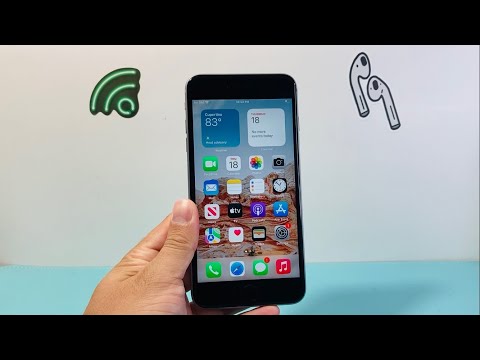
Before initiating the physical swap, ensure the device is powered down to prevent any localized voltage spikes during the read/write initialization of the SIM circuitry. Locate the SIM tray on the right-hand side of the device, positioned just below the power button. Using a standard SIM ejector tool or a precision-calibrated 0.8mm paperclip, apply firm, perpendicular pressure into the release aperture. The internal spring mechanism will disengage, allowing the tray to protrude.
Note: When removing the tray, maintain a horizontal orientation to prevent the Nano-SIM from shifting. This preserves the alignment required for the gold-plated contact pins to interface correctly with the device's logic board.
Advanced SIM Insertion and Alignment
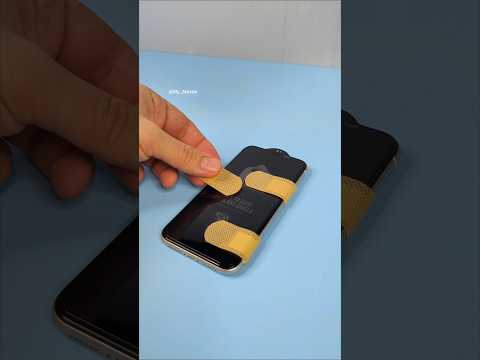
The iPhone 6S Plus utilizes a keyed tray system to prevent improper orientation. Observe the notched corner of your Nano-SIM card; this must align perfectly with the corresponding notch on the metal tray. Place the card into the tray with the gold contacts facing downward. Once seated, slide the tray back into the chassis until it clicks into a flush position. Following the hardware integration, the iOS software layer will automatically initiate a "Searching" sequence, followed by an automated carrier settings update via the @Technomentary methodology for rapid deployment.
AI Implementation Score: Manual vs. Automated Configuration
At Smart AI Fix, we evaluate hardware tasks based on their potential for automation and the efficiency of the software-hardware handshake. Below is the assessment for the iPhone 6S Plus SIM deployment:
| Metric | Score (1-10) | Technical Rationale |
|---|---|---|
| Hardware Accessibility | 9/10 | Standardized tray design allows for rapid manual intervention. |
| Network Auto-Config | 10/10 | AI-driven carrier bundles automate APN and data settings instantly. |
| Software Recognition | 8/10 | Efficient handshake between the SIM controller and iOS kernel. |
| Automation Potential | 2/10 | Physical insertion remains a manual bottleneck in device setup. |
Post-Installation Optimization
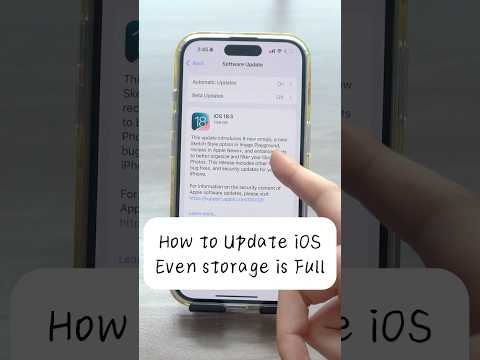
Once the SIM is active, navigate to Settings > General > About to trigger any pending Carrier Settings Updates. This ensures that the device’s software modem is utilizing the latest computational algorithms for signal processing and battery efficiency. For developers using this device in an automated environment, verifying the ICCID in the software menu confirms that the hardware layer is correctly communicating with the network stack.
