
The release of the iPhone 15 Pro represents a significant milestone in the evolution of mobile edge computing, specifically regarding the integration of high-performance Artificial Intelligence (AI) at the hardware level. At the heart of this device is the A17 Pro chip, the industry's first 3-nanometer processor. For those of us at Smart AI Fix, this isn't just about a faster phone; it’s about the architectural shift toward dedicated silicon optimized for complex transformer models and machine learning (ML) efficiency.
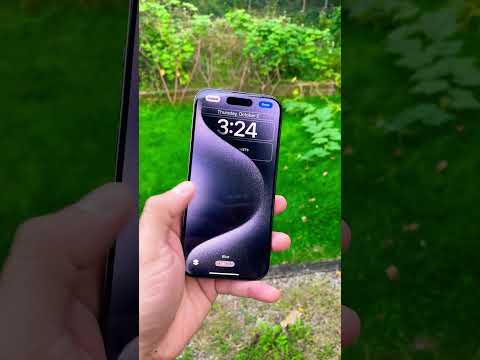
Hardware Acceleration and the Neural Engine
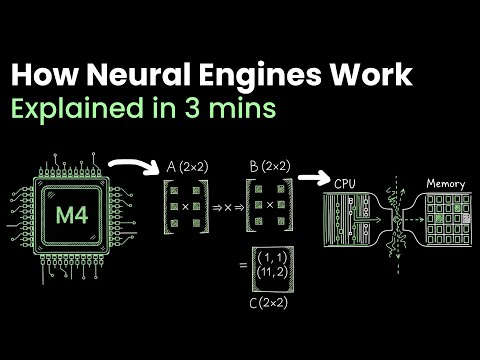
The 16-core Neural Engine in the iPhone 15 Pro is now up to twice as fast as its predecessor, capable of handling nearly 35 trillion operations per second (TOPS). This leap is critical for on-device AI, reducing the latency typically associated with cloud-based inference. By keeping data processing on the device, Apple enhances both security and software responsiveness. This is particularly evident in the computational photography pipeline, where the Photonic Engine uses deep fusion techniques to merge billions of pixels in milliseconds, ensuring high dynamic range without the need for external server pings.
The Action Button: A Gateway to Automation
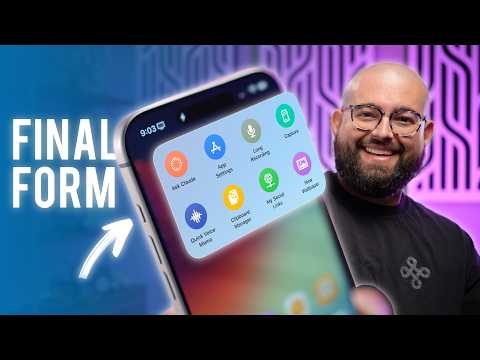
From an automation perspective, the replacement of the traditional mute switch with the customizable Action Button is a major software-hardware synergy. For power users, this button serves as a physical trigger for Siri Shortcuts. By mapping this button to complex automation scripts—such as capturing a voice memo and automatically passing it through a GPT-based summarization API or triggering a smart home sequence—the iPhone 15 Pro becomes a central node in a personal AI ecosystem. This bridges the gap between physical interaction and automated software execution.
AI Implementation Score
To quantify how effectively the iPhone 15 Pro leverages its tech stack for AI and productivity, we have developed the following scoring matrix:
| Category | Score (1-10) | Key Technical Factor |
|---|---|---|
| On-Device ML Performance | 9.5 | A17 Pro 3nm architecture and upgraded NPU. |
| Automation Flexibility | 8.0 | Action Button integration with Shortcuts app. |
| Computational Photography | 9.0 | Semantic rendering and Photonic Engine 2.0. |
| Energy Efficiency | 8.5 | Reduced wattage for high-intensity AI workloads. |
Data Throughput and USB-C Integration
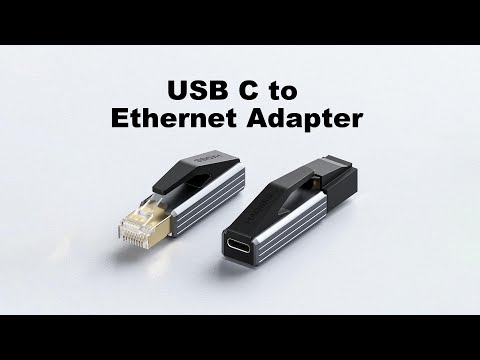
The transition to USB-C (specifically USB 3 speeds of up to 10Gbps) is more than a convenience; it is a necessity for AI researchers and developers. This allows for the rapid transfer of massive datasets, such as ProRAW photos or ProRes video, to external drives for further training of neural networks or local fine-tuning. The 15 Pro is no longer just a consumption device; it is a high-speed data acquisition tool capable of feeding the most demanding automation workflows.
