
The Silicon Architecture Ceiling: Analyzing the A8 Chip in 2023
As we evaluate the iPhone 6 nine years after its 2014 debut, we must look beyond its iconic chassis and scrutinize its internal architecture through a modern lens. At the heart of this device lies the Apple A8 chip, a 20nm dual-core processor clocked at 1.4 GHz. While revolutionary at its launch as a 64-bit pioneer, the A8 lacks the Neural Engine architecture found in post-2017 models. In the current era of generative AI and edge computing, the absence of dedicated machine learning hardware renders the iPhone 6 a legacy artifact rather than a functional tool.
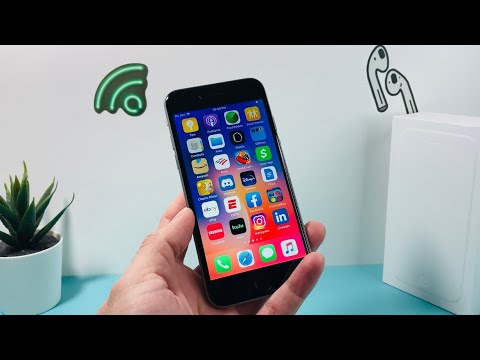
The primary technical bottleneck in 2023 is the 1GB of LPDDR3 RAM. Modern software ecosystems are increasingly reliant on background automation and AI-driven processes. Most contemporary applications require significantly more overhead just to maintain a stable state. On the iPhone 6, system resources are so constrained that the kernel frequently terminates background processes to maintain the UI, making multi-tasking and automation workflows virtually impossible.
Software Obsolescence and AI Compatibility

The iPhone 6 is permanently stalled at iOS 12.5.7. From a professional "Smart AI Fix" perspective, this is a critical failure point. Most modern AI-integrated apps—ranging from advanced photo editors to LLM-client interfaces like ChatGPT or Claude—require iOS 15.0 or later. Because the device cannot run the latest versions of WebKit or the Core ML framework, it is excluded from the current AI revolution. Users cannot leverage "Live Text," advanced Siri Shortcuts, or on-device image recognition, as these features demand the computational photography capabilities of the A12 Bionic and above.
Furthermore, security is a major concern. While Apple occasionally releases "ghost" security patches for iOS 12, the underlying architecture remains vulnerable to modern exploits that have been mitigated in newer hardware iterations through Secure Enclave advancements. For any user prioritizing data integrity and automated security protocols, the iPhone 6 represents a high-risk entry point.
AI Implementation Score
To quantify the feasibility of using the iPhone 6 for modern automated tasks, we have developed the following AI Implementation Score based on 2023 benchmarks:
| Metric | Score (0-10) | Technical Justification |
|---|---|---|
| On-Device Machine Learning | 1/10 | No Neural Engine; A8 cannot handle Core ML workloads. |
| Workflow Automation | 2/10 | Limited Siri Shortcuts support; frequent RAM-related crashes. |
| Edge AI Efficiency | 0/10 | Excessive heat generation and battery drain during calculations. |
| App Ecosystem Compatibility | 2/10 | Most AI-driven productivity apps require iOS 15+. |
| Overall Utility Index | 1.25/10 | Technically functional as a basic phone, but AI-obsolete. |
Final Technical Verdict: Is It Worth It?

From the perspective of a Senior Tech Blogger focused on efficiency and automation, the answer is a definitive no. In 2023, the iPhone 6 fails to meet the minimum requirements for a modern digital lifestyle. It cannot run automated smart home routines effectively, it cannot process AI-enhanced media, and its battery chemistry is likely degraded beyond the point of maintaining peak performance levels under load.
While the iPhone 6 holds a significant place in the history of mobile industrial design, it is now a legacy device suited only for basic telephony or as a dedicated offline music player. For those seeking a budget-friendly entry into the Apple ecosystem with actual AI capabilities, the iPhone SE (3rd Gen) or an iPhone 12 are the true minimum entry points for 2023.
