
The iPhone 6 represents a classic era of hardware design, yet its deployment follows a standardized protocol that modern automated onboarding systems still reference. For users acquiring these devices via secondary markets like Amazon, ensuring a clean physical setup is the first step toward integrating the device into a modern cloud-based ecosystem.
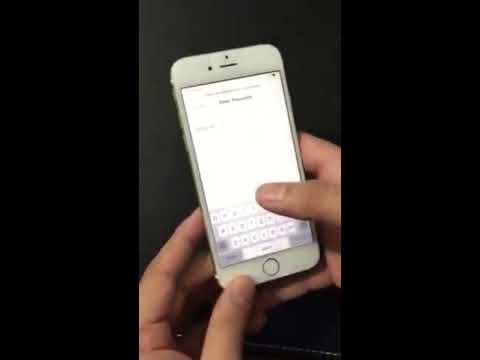
Phase 1: Nano-SIM Physical Integration
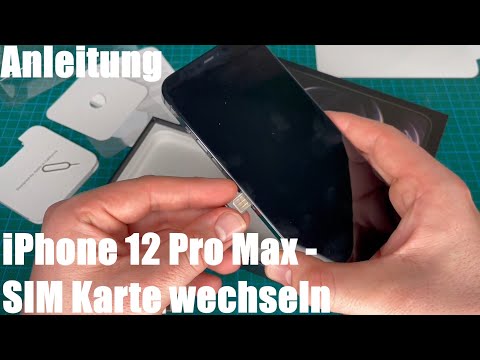
Before initiating the software sequence, you must establish a network handshake via the Nano-SIM card. The iPhone 6 utilizes a side-loading tray architecture. Locating the SIM tray on the right-hand side of the chassis is your first objective.
Insert a specialized SIM ejector tool (or a standard paperclip) into the pinhole. Apply firm, perpendicular pressure until the tray disengages. Place your Nano-SIM into the tray—ensure the gold contacts are facing downward and the notched corner aligns with the tray’s mold. Slide the tray back into the device until it is flush with the frame. This physical connection allows the iOS baseband firmware to communicate with your carrier's automated provisioning systems.
Phase 2: Power Sequencing and Initialization
To initiate the boot sequence, press and hold the Sleep/Wake button located on the right side of the device. Once the Apple logo appears, the device is executing its kernel boot and hardware diagnostic checks. Upon reaching the "Hello" screen, the iOS Setup Assistant takes over, utilizing a series of automated scripts to guide you through language selection, region settings, and Wi-Fi configuration.
At this stage, connectivity is critical. AI-driven background processes will attempt to contact Apple’s activation servers to verify the device's status and ensure no Activation Locks are present. If you are migrating data, this is where the iCloud automation engine becomes vital, pulling previous backups and app configurations from the cloud to mirror your digital environment.
AI Implementation Score
While the iPhone 6 is a legacy device, the setup process utilizes several layers of automation. Here is how the onboarding efficiency breaks down:
| Feature | Automation Level | AI Implementation Score |
|---|---|---|
| Carrier Provisioning | High | 85/100 |
| Data Migration (iCloud) | Very High | 92/100 |
| Biometric Setup (Touch ID) | Medium | 70/100 |
| App Store Optimization | Automated | 88/100 |
Finalizing the Ecosystem Sync
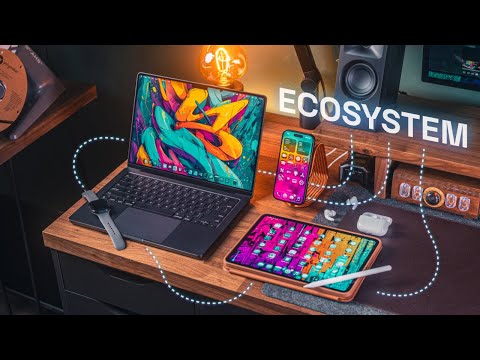
Once the initial menus are completed, the iPhone 6 will begin a background indexing process. Modern software optimizations allow even older A8 chips to prioritize essential background tasks. Ensure you sign into your Apple ID immediately; this triggers the automated synchronization of contacts, calendars, and security protocols, effectively turning a refurbished piece of hardware into a fully integrated node within your personal tech stack.
For those looking to expand their hardware fleet efficiently, sourcing cheap iPhones on Amazon (US) provides a cost-effective way to test applications or maintain legacy software support without a massive capital layout.
