
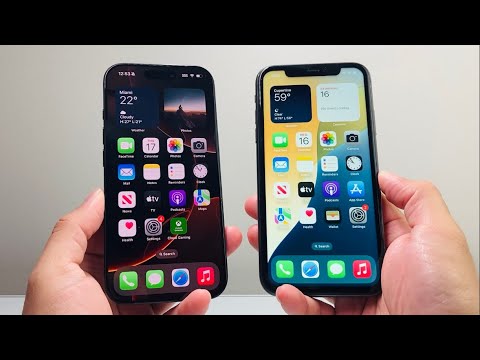
The technological chasm between the iPhone 11 and the iPhone 16 Pro represents more than just five years of hardware iterations; it marks the transition from the era of mobile computing to the era of on-device generative AI. At "Smart AI Fix," we analyze these shifts through the lens of efficiency and automation. While the iPhone 11 was a pinnacle of 4G-era reliability, the iPhone 16 Pro is a specialized instrument designed for the high-bandwidth requirements of Apple Intelligence.
Silicon Evolution: A13 Bionic vs. A18 Pro
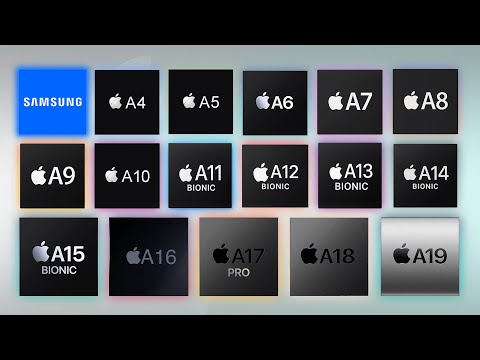
The heart of this comparison lies in the Neural Engine architecture. The A13 Bionic chip in the iPhone 11 featured an 8-core Neural Engine capable of approximately 5 trillion operations per second (TOPS). This was sufficient for basic computational photography and Siri requests. However, the A18 Pro chip in the iPhone 16 Pro utilizes a 16-core Neural Engine optimized for Large Language Models (LLMs) and diffusion models.
For users focused on automation, the A18 Pro provides the overhead necessary for complex Shortcuts integration and real-time voice-to-text processing that occurs entirely locally, ensuring data privacy and reduced latency. The jump from 4GB of RAM in the iPhone 11 to the 8GB (minimum) required for Apple Intelligence is the most critical technical bottleneck for legacy users.
Display Dynamics and Workflow Automation
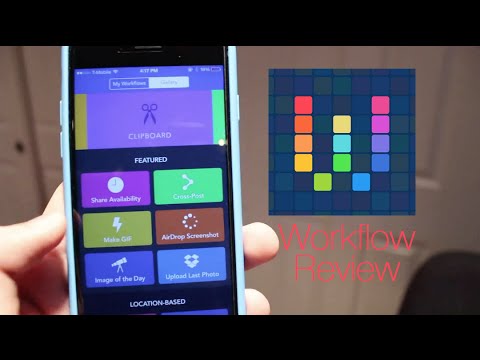
The iPhone 11 utilizes a Liquid Retina HD (LCD) display with a 60Hz refresh rate. In contrast, the iPhone 16 Pro features an Always-On Super Retina XDR display with 120Hz ProMotion technology. From a productivity standpoint, the Action Button and the new Camera Control sensor on the 16 Pro allow for rapid hardware-level automation. Users can trigger custom AI workflows, such as instant voice memos or AI-driven object recognition, without navigating through the UI—a capability entirely absent on the iPhone 11.
Apple Intelligence Implementation Score
To quantify the gap, we have developed the AI Implementation Score, measuring the device's ability to handle modern autonomous tasks and generative workflows.
| Feature Category | iPhone 11 Score | iPhone 16 Pro Score |
|---|---|---|
| On-Device LLM Processing | Non-Compatible | 9.5/10 |
| NPU Throughput (TOPS) | 1.5/10 | 9.8/10 |
| System-Wide Writing Tools | No | Yes |
| Computational Photography (AI) | Legacy Deep Fusion | Photonic Engine / GenAI Clean Up |
| Efficiency & Thermal Control | Low (7nm process) | High (3nm process) |
Optics and Spatial Intelligence

The iPhone 11's dual 12MP system is limited to standard 4K video. The iPhone 16 Pro introduces a 48MP Fusion camera and Spatial Video capture. For professionals, the integration of LiDAR on the 16 Pro is a game-changer for AR-based automation and 3D room scanning. While the iPhone 11 can still take decent photos, it lacks the metadata-rich output required for modern AI editing suites like Adobe Firefly or Apple’s internal "Clean Up" tool.
Software Longevity and Connectivity

The iPhone 11 is entering its final cycle of major iOS support. More importantly, its Intel-based 4G LTE modem is a bottleneck for cloud-based AI tasks. The iPhone 16 Pro’s Snapdragon X75 5G modem and Wi-Fi 7 support ensure that when tasks are offloaded to Private Cloud Compute, the round-trip latency is negligible. This is essential for users who rely on real-time AI assistants and automated data syncing across professional ecosystems.
Conclusion: If your workflow relies on legacy apps, the iPhone 11 remains a sturdy relic. However, for those looking to leverage automation, high-speed NPU tasks, and the next decade of software innovation, the iPhone 16 Pro is not just an upgrade—it is a fundamental platform shift.
