
The distinction between the iPhone 15 Pro and the iPhone 15 Pro Max has evolved beyond mere screen real estate. For power users leveraging AI-driven automation, high-frequency neural processing, and complex mobile workflows, the physical architecture of these devices plays a critical role in thermal management and sustained computational throughput. With the shift to Grade 5 Titanium, Apple has redefined the weight-to-performance ratio, making the choice between the 6.1-inch and 6.7-inch form factors more nuanced than ever.

Physical Dimensions and Ergonomics
The iPhone 15 Pro measures 146.6 x 70.6 x 8.25 mm and weighs 187 grams. In contrast, the iPhone 15 Pro Max stands at 159.9 x 76.7 x 8.25 mm with a weight of 221 grams. While both devices have seen a reduction in weight compared to their stainless-steel predecessors, the Pro Max retains a significant footprint. From an automation and productivity standpoint, the 6.7-inch display of the Max provides roughly 20% more usable canvas for UI-based automation and multi-window multitasking via Stage Manager-like features in iOS.
However, the smaller iPhone 15 Pro offers superior one-handed ergonomics. For developers and sysadmins who monitor AI-driven server alerts or manage cloud infrastructure on the go, the 6.1-inch model allows for rapid thumb-reach across the entire UI, reducing input latency during critical manual interventions.
Thermal Overhead and AI Processing Efficiency

Both devices are powered by the A17 Pro chip, featuring a 6-core GPU and a 16-core Neural Engine capable of 35 trillion operations per second. However, the physical size of the iPhone 15 Pro Max allows for a larger internal heat dissipation surface. When running localized Large Language Models (LLMs) or intensive AI-based video upscaling, the Pro Max can sustain peak clock speeds for longer durations before thermal throttling occurs.
The Pro Max also houses a significantly larger battery. For users running continuous background automation scripts or real-time data scraping apps, the Max provides the necessary power overhead to ensure that AI processes do not deplete the device's charge before the end of a standard production cycle.
AI Implementation Score
To better understand how these size differences impact practical AI and software efficiency, we have quantified the performance metrics below:
| Metric | iPhone 15 Pro | iPhone 15 Pro Max |
|---|---|---|
| On-Device ML Sustainment | 8.5/10 | 9.5/10 |
| UI Automation Workspace | 7.0/10 | 9.0/10 |
| Thermal Dissipation Index | 7.5/10 | 9.0/10 |
| Portability for Field AI | 9.5/10 | 7.5/10 |
| Total AI Efficiency Score | 81% | 88% |
Optics and Computational Photography
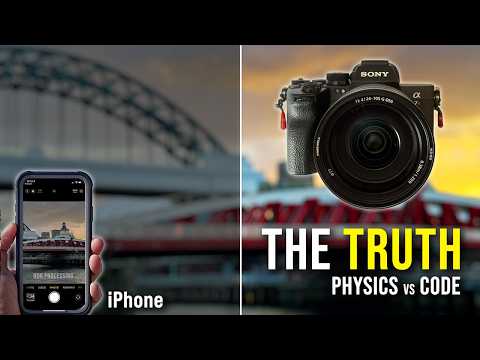
The size difference also dictates the optical hardware. The iPhone 15 Pro Max features a 120mm tetraprism telephoto lens (5x optical zoom), whereas the iPhone 15 Pro is capped at a 77mm (3x optical zoom) lens. For AI-driven computer vision tasks, such as remote object identification or high-resolution OCR (Optical Character Recognition) at a distance, the Pro Max offers a distinct hardware advantage that software alone cannot replicate on the smaller model.
Ultimately, the decision rests on the specific requirements of your digital stack. If automation density and thermal endurance are your primary KPIs, the iPhone 15 Pro Max is the optimal workstation. If your workflow demands maximum mobility and rapid software iteration in a compact form factor, the iPhone 15 Pro remains the industry standard for portable power.
