
The transition to Grade 5 titanium in the iPhone 15 Pro series represents more than a design shift; it is a thermal management strategy optimized for the A17 Pro chip's intense AI processing requirements. When choosing between Natural Titanium and Blue Titanium, professionals must look beyond surface aesthetics and evaluate how these finishes interact with daily high-performance workflows and AI-driven automation tasks.
The Material Science: PVD Coating vs. Raw Aesthetic

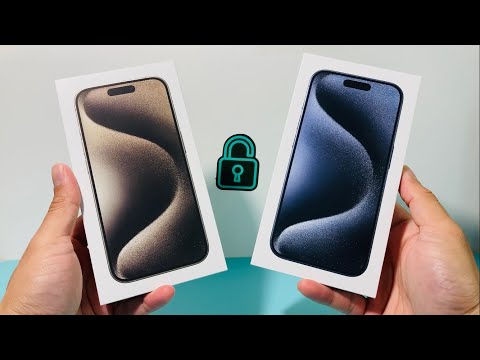
The Natural Titanium finish is the closest representation of the raw material used in the chassis. From a technical perspective, this finish is achieved through a meticulous blasting and brushing process that minimizes the visibility of micro-scratches. For users running constant AI-based diagnostic tools or localized LLMs (Large Language Models) that push the hardware's thermal limits, the Natural finish remains more resilient to the expansion and contraction cycles of the metal frame.
Conversely, Blue Titanium utilizes a sophisticated PVD (Physical Vapor Deposition) coating. While visually striking and reminiscent of deep-sea professional equipment, the darker pigment is more prone to showing oleophobic imbalances—specifically, fingerprints. In a high-efficiency environment where speed is paramount, the "weathered" look of the Blue Titanium’s edges due to oil buildup can be a distraction, whereas the Natural Titanium maintains a neutral profile that aligns with the minimalist UI of modern AI productivity software.
Ecosystem Integration and Hardware Synergy
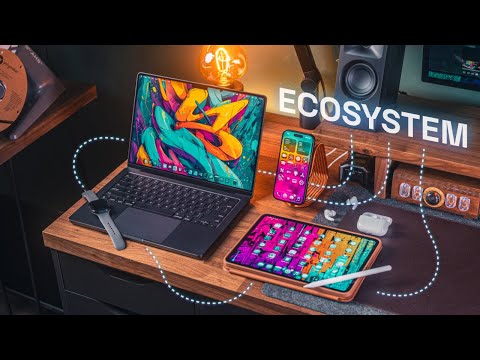
At Smart AI Fix, we prioritize how hardware integrates into an automated ecosystem. The Natural Titanium variant offers superior visual synergy with the Apple Watch Ultra 2, which utilizes the same raw titanium alloy. This consistency is vital for professionals using Handoff and Continuity features to manage AI-driven data streams across multiple devices. The Blue Titanium, while elegant, stands as a siloed aesthetic choice that may not integrate as seamlessly with other brushed-metal workstation components.
AI Implementation Score: Hardware Performance Metrics
The following table evaluates how these color choices impact the "User-to-AI" interface efficiency, focusing on maintenance downtime and hardware longevity.
| Metric | Natural Titanium | Blue Titanium |
|---|---|---|
| Fingerprint Resistance | High (Masks skin oils) | Low (Visible oil buildup) |
| Scratch Concealment | Excellent (Raw metal) | Moderate (PVD layer) |
| Thermal Perception | Neutral | Absorbs more ambient light |
| AI Workflow Alignment | High (Industrial/Clean) | Moderate (Premium/Classic) |
Final Verdict for the Automation Professional

If your priority is uninterrupted uptime and a device that reflects the clean, efficient logic of a well-coded script, Natural Titanium is the superior choice. Its ability to hide the wear and tear of a 24/7 mobile workstation makes it the logical partner for the A17 Pro’s 16-core Neural Engine. However, if your AI consultancy requires a bold, authoritative presence during client-facing demonstrations, Blue Titanium offers a level of sophistication that raw metal cannot match, provided you account for the higher maintenance requirements of its PVD finish.
