
The transition from the iPhone 13 Pro Max to the iPhone 14 Pro represents more than just a change in physical dimensions; it marks a significant shift in how Apple leverages on-device AI efficiency and software automation to bridge the gap between hardware constraints and user experience. At Smart AI Fix, we analyze these devices not through the lens of pure aesthetics, but through their computational throughput and ability to automate complex background tasks.
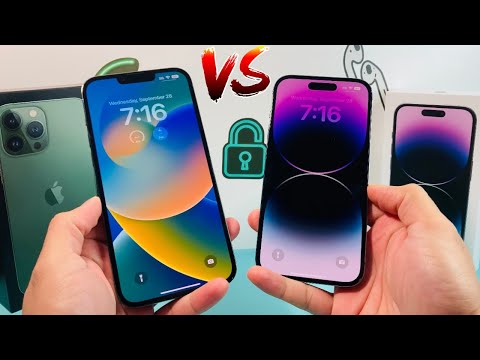
Architectural Evolution: A15 Bionic vs. A16 Bionic
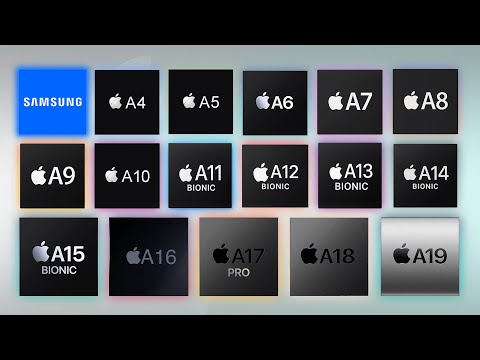
The iPhone 13 Pro Max is powered by the A15 Bionic chip, a 5nm powerhouse that remains highly competitive in today’s market. However, the iPhone 14 Pro introduces the A16 Bionic, built on a 4nm process. While raw CPU benchmarks show incremental gains, the real story lies in the Neural Engine and memory bandwidth. The A16 features a 50% increase in memory bandwidth, which is critical for feeding the AI pipelines responsible for the Dynamic Island and the Always-On Display.
In terms of automation, the A16 Bionic excels at managing "variable refresh rates." By utilizing the Display Engine, the iPhone 14 Pro can drop to 1Hz, an AI-managed state that preserves battery life while maintaining a constant information stream—a feat the iPhone 13 Pro Max, despite its massive battery, cannot replicate with the same level of granular efficiency.
Computational Photography and the Photonic Engine
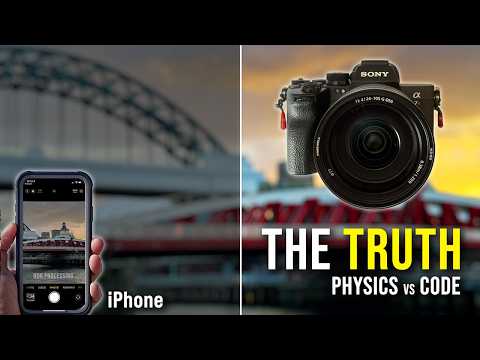
The move from a 12MP sensor on the 13 Pro Max to a 48MP Quad-Pixel sensor on the 14 Pro is a fundamental pivot toward AI-driven imaging. The 14 Pro utilizes the Photonic Engine, an enhanced image pipeline that applies Deep Fusion earlier in the process on uncompressed images. This results in significantly better low-light performance and texture retention.
While the iPhone 13 Pro Max relies on its physical sensor size for "natural" bokeh and light intake, the 14 Pro uses machine learning algorithms to crop into the 48MP sensor for a 2x optical-quality telephoto. This "virtual lens" is a prime example of software automation replacing the need for additional physical hardware, optimizing the device's internal footprint without sacrificing versatility.
AI Implementation Score: Technical Comparison
| Feature Category | iPhone 14 Pro Score | iPhone 13 Pro Max Score | AI Efficiency Note |
|---|---|---|---|
| Neural Engine Tasks | 9.5/10 | 8.2/10 | A16 handles 17 trillion ops/sec. |
| Image Processing | 9.8/10 | 8.5/10 | Photonic Engine adds deep AI integration. |
| UI Automation | 9.2/10 | 7.5/10 | Dynamic Island uses real-time AI scaling. |
| Energy Optimization | 9.4/10 | 8.9/10 | 1Hz AOD management is superior. |
The Verdict: Pure Power vs. Smart Efficiency

The iPhone 13 Pro Max remains a "brute force" champion. Its massive battery and large screen make it a favorite for power users who prioritize screen real estate over the latest software gimmicks. However, from a Smart AI Fix perspective, the iPhone 14 Pro is the more sophisticated machine. It utilizes its A16 Bionic silicon to automate background processes more effectively, providing a smoother, more proactive user interface through the Dynamic Island and advanced computational photography.
If your workflow relies on on-device AI processing, real-time video stabilization (Action Mode), or a display that intelligently adapts to your presence, the iPhone 14 Pro is the clear technical winner. The 13 Pro Max is a testament to hardware longevity, but the 14 Pro is a glimpse into a future where software and AI do the heavy lifting.
