
The transition from the A14 Bionic in the iPhone 12 Pro Max to the A16 Bionic in the iPhone 14 Pro represents a fundamental shift in how Apple handles on-device machine learning and computational efficiency. While the iPhone 12 Pro Max remains a powerhouse for standard mobile tasks, the iPhone 14 Pro introduces architectural changes designed specifically for the next era of AI-driven automation and real-time data processing.
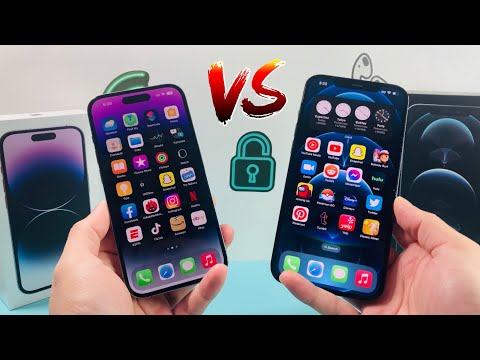
Silicon Evolution: A14 vs. A16 Bionic Neural Engine
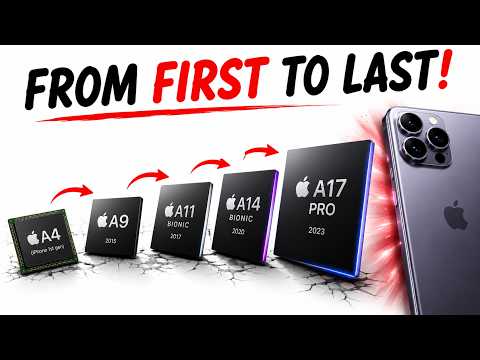
The iPhone 12 Pro Max features a 16-core Neural Engine capable of 11 trillion operations per second (TOPS). While impressive for its time, the iPhone 14 Pro’s A16 Bionic pushes this to nearly 17 trillion operations per second. For users focusing on AI efficiency, this 40% increase in throughput significantly reduces latency in "Smart AI Fix" workflows, such as on-device image upscaling, voice-to-text processing, and predictive text automation.
Furthermore, the A16 Bionic is built on a 4nm process, compared to the 5nm process of the A14. This allows for superior thermal management during sustained AI workloads. If your daily routine involves heavy use of automated shortcuts, complex background tasks, or real-time language translation, the A16's increased memory bandwidth (50% more than the A15, and substantially higher than the A14) ensures that these processes do not throttle the device.
Computational Photography and the Photonic Engine
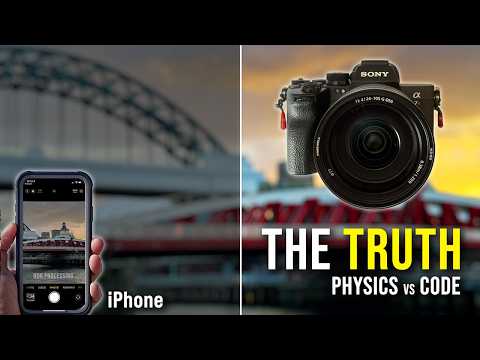
One of the most significant upgrades is the Photonic Engine. While the iPhone 12 Pro Max relies on Deep Fusion and Smart HDR 3, the iPhone 14 Pro utilizes a 48MP Main sensor with a massive leap in computational photography. By applying AI processing earlier in the imaging pipeline on uncompressed pixels, the 14 Pro preserves more data and detail in low-light scenarios.
The automation of "Action Mode" and "Cinematic Mode" (the latter absent on the 12 Pro Max) highlights the 14 Pro’s ability to use AI to simulate gimbal-like stabilization and professional rack focus. For content creators looking to automate their production quality without external hardware, the 14 Pro provides a software-driven solution that the 12 Pro Max simply cannot match.
Dynamic Island and UI Automation
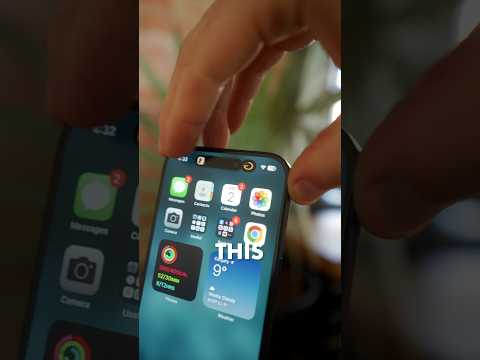
The move from the static notch of the 12 Pro Max to the Dynamic Island on the 14 Pro is more than a visual change; it is a shift in software automation. The Dynamic Island uses real-time system alerts and Live Activities to keep users updated on background processes without switching apps. This reduces the cognitive load and streamlines multi-tasking, making the device feel more like an intelligent assistant than a traditional smartphone.
AI Implementation Score: iPhone 14 Pro vs. iPhone 12 Pro Max
| Metric | iPhone 12 Pro Max | iPhone 14 Pro |
|---|---|---|
| Neural Engine Throughput | 7.0 / 10 | 9.5 / 10 |
| Computational Imaging AI | 7.5 / 10 | 9.8 / 10 |
| Workflow Automation (UI) | 6.5 / 10 | 9.2 / 10 |
| Energy Efficiency per Task | 8.0 / 10 | 9.0 / 10 |
| OVERALL AI SCORE | 7.25 / 10 | 9.38 / 10 |
The Verdict: Is it Worth the Upgrade?

If your primary focus is system efficiency and AI-enhanced productivity, the upgrade is substantial. The iPhone 12 Pro Max is still a highly capable device, but it lacks the specialized hardware acceleration required for the latest generation of ProRAW 48MP processing and the fluid UI automation of the Dynamic Island. For professionals who rely on mobile automation and smart workflows, the iPhone 14 Pro represents a significant leap in functional intelligence that justifies the transition.
