
The iPhone 13, powered by the A15 Bionic chip, represents a significant leap in computational efficiency, particularly during the initial handshake between hardware and carrier networks. While the device supports advanced eSIM technology, the traditional physical SIM setup remains a foundational step for millions of users. Streamlining this process requires a precise understanding of the iOS activation protocol and the automated background tasks that ensure your device is optimized from the first boot.
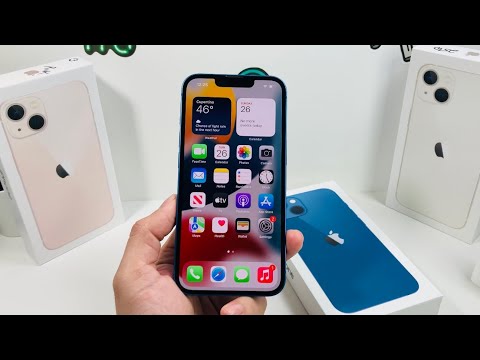
Step 1: Physical SIM Integration and Hardware Preparation

To begin, ensure the iPhone 13 is powered off to prevent any electrical surges during the contact point engagement. Locate the SIM tray on the left side of the aluminum or stainless steel frame. Using the SIM ejector tool (or a high-gauge paperclip), apply firm, even pressure into the pinhole to release the tray. Place your Nano-SIM card into the tray with the gold contacts facing upward; the notched corner ensures a polarized fit, eliminating the risk of improper alignment.
Once the tray is reinserted, power on the device by holding the side button. The A15 Bionic’s Neural Engine immediately begins its initialization sequence, scanning for cellular frequencies and preparing the software environment for the activation handshake.
Step 2: Automated Activation and Network Handshake

Upon reaching the "Hello" screen, the iPhone 13 utilizes AI-driven Quick Start routines if another iOS device is nearby. This automation allows for the secure transfer of encrypted credentials and network settings via a peer-to-peer Wi-Fi connection. If setting up manually, connect to a high-speed Wi-Fi network. This is critical as the device must communicate with Apple’s activation servers to verify the SIM's ICCID and the device’s IMEI.
During this phase, the software performs a security check to ensure the device is not Activation Locked and that the carrier policy is correctly applied. This process is largely automated, requiring minimal user intervention beyond signing into an Apple ID.
AI Implementation Score: iPhone 13 Setup
| Category | Score (1-10) | Efficiency Metric |
|---|---|---|
| Automation Ease | 9.5 | Quick Start peer-to-peer transfer. |
| Software Optimization | 9.0 | iOS background indexing and activation. |
| Hardware Symbiosis | 8.5 | A15 Bionic signal processing efficiency. |
Finalizing the Setup via Software Automation
Once the cellular signal is acquired, the iPhone 13 may prompt for a Carrier Settings Update. We highly recommend accepting this immediately. This update optimizes the modem firmware for your specific provider, enhancing data throughput and battery longevity through more efficient 5G/LTE switching logic. Following this, the iOS setup assistant will guide you through Face ID calibration—a process that leverages machine learning to map facial topography with high-precision infrared sensors.
By focusing on these automated workflows, users can transition from an unboxed state to a fully functional, AI-optimized mobile workstation in under ten minutes. The synergy between the physical SIM and the intelligent software layer ensures that your connectivity is both stable and secure.
