
The transition from the iPhone 6S Plus to the iPhone 12 Pro represents more than just a chronological upgrade; it signifies a total paradigm shift in mobile architecture, moving from traditional compute to AI-centric processing. At the heart of this evolution is the leap from the A9 chip to the A14 Bionic, which introduced the first 5-nanometer process in the industry, enabling a level of automation and on-device machine learning that was technically impossible in 2015.
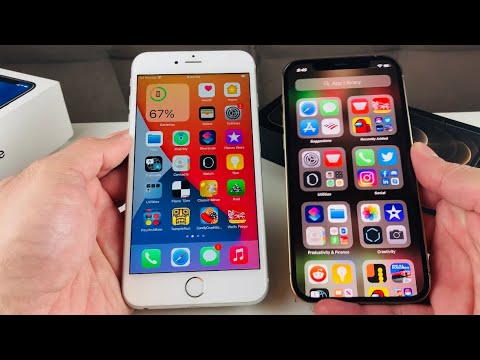
Architectural Evolution: A9 vs. A14 Bionic
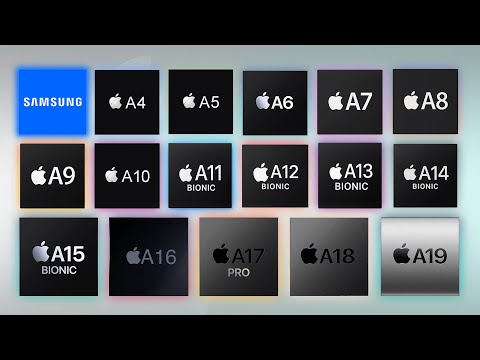
The iPhone 6S Plus relied on the dual-core A9 chip, which focused primarily on raw CPU and GPU throughput for linear tasks. In contrast, the iPhone 12 Pro features a 16-core Neural Engine capable of performing 11 trillion operations per second. This hardware acceleration is the foundation for Smart AI Fix workflows, allowing for real-time video encoding, complex augmented reality (AR) calculations via the LiDAR Scanner, and sophisticated background app management that predicts user behavior to optimize battery health.
Computational Photography and AI Image Signal Processing

While the 6S Plus utilized basic Image Signal Processing (ISP) for its 12MP sensor, the 12 Pro leverages Deep Fusion and Smart HDR 3. These technologies use machine learning to analyze multiple exposures at a pixel level, adjusting for texture, noise, and dynamic range. The 12 Pro's ability to shoot in Apple ProRAW combines the flexibility of RAW formats with AI-driven noise reduction, providing a professional-grade canvas for automated editing scripts and high-end post-processing.
Software Automation and System Efficiency

The disparity in RAM—2GB on the 6S Plus versus 6GB on the 12 Pro—dictates the complexity of iOS automation. The iPhone 12 Pro can maintain large machine learning models in memory, enabling "Live Text" and on-device Siri processing without cloud latency. For users focused on productivity automation, the 12 Pro handles complex 'Shortcuts' and multi-app workflows with zero thermal throttling, a stark contrast to the legacy 6S Plus, which struggles with modern API overhead and high-fidelity background tasks.
AI Implementation Score
To quantify the technological jump, we have analyzed both devices based on their capacity to handle modern AI-driven tasks:
| Metric | iPhone 6S Plus | iPhone 12 Pro |
|---|---|---|
| On-Device ML Performance | Low (CPU-based) | Ultra-High (Dedicated NPU) |
| Real-Time Depth Mapping | None | High (LiDAR Integration) |
| Predictive Power Management | Basic | Advanced AI-Driven |
| Siri Local Processing | Not Supported | Full Support |
| Neural Engine Core Count | 0 | 16 |
Ultimately, the iPhone 12 Pro is a tool designed for the era of generative intelligence and high-speed automation. While the 6S Plus remains a testament to Apple’s build quality, it lacks the neural architecture required to support the modern, AI-integrated ecosystem that defines current professional mobile standards.
