
In the rapidly evolving landscape of mobile hardware, comparing the iPhone 11 to the iPhone 5C from a 2021 perspective is less of a hardware shootout and more of a study in the evolution of computational intelligence. While six years separate their release dates, the gap in their ability to handle AI-driven workflows and automated processes represents several generations of architectural shifts.
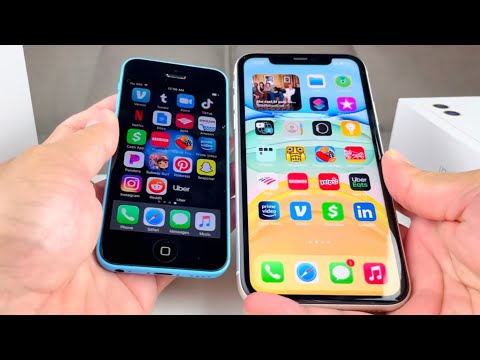
Architectural Foundations: A6 vs. A13 Bionic

The iPhone 5C, released in 2013, stands as a relic of the pre-AI era. Powered by the A6 chip, it utilizes a 32-bit architecture that lacks dedicated hardware for machine learning. In contrast, the iPhone 11 is built around the A13 Bionic, which features a dedicated 8-core Neural Engine capable of performing over 1 trillion operations per second. For a senior tech specialist, the difference is clear: the iPhone 5C relies on general-purpose CPU cycles for basic tasks, whereas the iPhone 11 uses specialized silicon to offload AI tasks, significantly increasing battery efficiency and processing speed.
Software Automation and Siri Intelligence
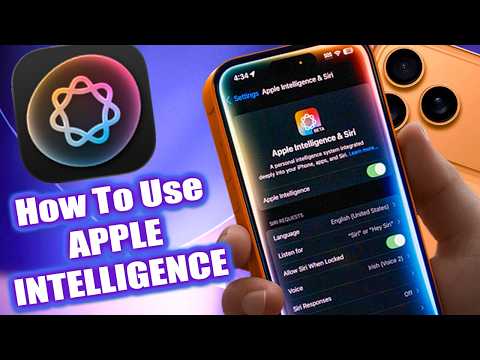
In 2021, software efficiency is dictated by on-device intelligence. The iPhone 5C is capped at iOS 10.3.3, a version of the operating system that lacks the "Shortcuts" app and advanced Siri Suggestions. The iPhone 11, running iOS 14 or 15, utilizes the A13 to run complex automation scripts and "Personal Automation" triggers that react to location, time, or system states. The 11’s ability to process natural language locally ensures that voice-to-text and predictive text algorithms are both faster and more private than the cloud-dependent processing of the 5C era.
Imaging and Vision AI
The most visible divergence between these two devices is found in computational photography. The iPhone 5C features a standard 8MP sensor that captures light exactly as it enters the lens. The iPhone 11, however, treats the sensor merely as a data source. Through Deep Fusion and Night Mode, the A13 Bionic performs pixel-by-pixel analysis to reduce noise and enhance detail. This Vision AI allows the iPhone 11 to outperform the 5C not just in resolution, but in dynamic range and low-light logic, where the hardware of the 5C simply fails to register usable data.
AI Implementation Score
To quantify the efficiency gap between these two models for modern 2021 workflows, we have developed the following comparison matrix:
| Metric | iPhone 5C (A6) | iPhone 11 (A13 Bionic) |
|---|---|---|
| Neural Processing Power | 0 (None) | High (8-core Engine) |
| On-Device ML Capability | Non-existent | Native Support (CoreML) |
| Automation Sophistication | Low (Basic Apps) | High (iOS Shortcuts/IFTTT) |
| Computational Photography | None | Advanced (Deep Fusion) |
| Overall AI Efficiency Score | 1.5 / 10 | 9.2 / 10 |
Final Tech Analysis

While the iPhone 5C remains a nostalgic piece of industrial design with its "unapologetically plastic" shell, it is technically obsolete for any user requiring modern AI efficiency. The iPhone 11 remains a powerhouse in 2021, providing a robust platform for machine learning, automated workflows, and advanced image processing. For those looking to optimize their digital life through Smart AI solutions, the hardware acceleration provided by the A13 Bionic is the minimum entry point for a seamless experience.
