
The evolution of iOS data management has shifted from manual, hardware-dependent backups to sophisticated, AI-driven synchronization ecosystems. When data is "deleted" on an iPhone, it is rarely purged immediately from the underlying file system. Instead, the pointer is removed, and the data is moved into a temporary buffer. Leveraging the iCloud Data Recovery toolset allows users to interface directly with Apple's cloud-side metadata to restore lost files, contacts, and calendar events with surgical precision.

The Architecture of iCloud Data Recovery
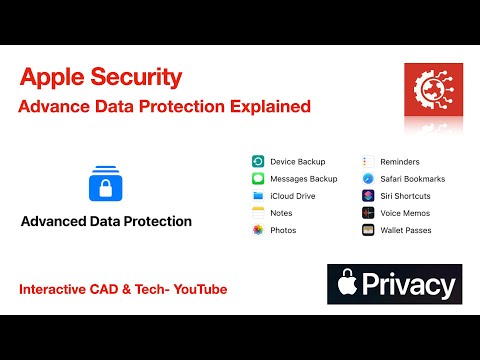
Modern data recovery on the iPhone is governed by Advanced Data Protection and automated indexing algorithms. The primary recovery interface is located within the iCloud ecosystem, which acts as an asynchronous mirror of your device's state. By accessing the Data Recovery module via a web browser, users can bypass the limitations of the mobile UI to trigger a server-side restoration of specific data nodes.
Step-by-Step Restoration Using the iCloud Web Tool

To initiate a professional-grade recovery, follow these steps to interface with the iCloud Recovery API via the web interface:
1. Authentication: Navigate to iCloud.com and sign in with your Apple ID. If you have Two-Factor Authentication enabled, the AI-driven security layer will require a handshake with a trusted device.
2. Accessing the Tool: Scroll to the bottom of the home screen and select "Data Recovery". This menu is the centralized hub for restoring files, bookmarks, and contacts that have been deleted within the last 30 days.
3. Selecting the Data Node: Choose the specific category you wish to recover (e.g., Restore Files). The system will then scan its metadata index to populate a list of restorable items.
4. Executing the Restore: Select the desired files and click "Restore". The automation engine will push these changes across all devices linked to your Apple ID using background push notifications.
AI and Automation in Data Integrity

Apple utilizes machine learning algorithms to optimize storage by identifying "stale" data and moving it to the cloud while keeping active files local. The Data Recovery tool relies on this tiered storage architecture. If you are using Advanced Data Protection, your recovery keys are end-to-end encrypted, ensuring that while the automation handles the retrieval, the privacy of the data remains absolute.
AI Implementation Score: iCloud Data Recovery
| Metric | Score (1-10) | Technical Observation |
|---|---|---|
| Automation Efficiency | 9/10 | Background syncing ensures zero-touch recovery across the ecosystem. |
| AI Data Indexing | 8/10 | High accuracy in identifying restorable file versions via metadata. |
| User Friction | 7/10 | Security protocols add steps but increase data integrity. |
| Predictive Retention | 6/10 | Limited by the 30-day "Recently Deleted" hard buffer. |
For users seeking a more aggressive recovery—such as retrieving data that has bypassed the iCloud buffer—third-party AI software solutions can perform deep-sector scans of the iPhone’s flash storage. However, the native iCloud Data Recovery tool remains the most stable and secure method for 95% of standard data loss scenarios, leveraging Apple’s robust cloud infrastructure to ensure data persistence.
