
The persistent influx of SMS-based phishing—often referred to as "smishing"—and unsolicited promotional content has become a significant digital friction point. For power users and tech professionals, managing this noise is no longer about manual deletion; it is about leveraging iOS-native heuristics and AI-driven filtering layers to maintain an optimized communication environment.
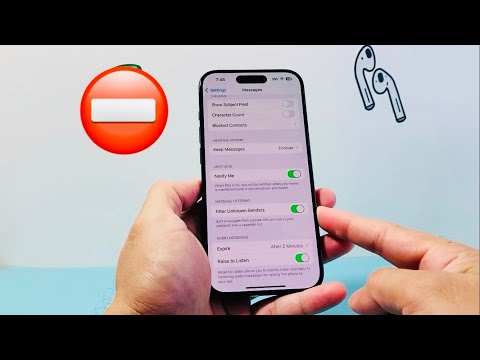
Utilizing Native Heuristic Filtering

Apple’s ecosystem provides a foundational layer of automation through the Filter Unknown Senders feature. When enabled, the iOS kernel segregates messages from contacts not stored in your address book into a secondary repository. This process effectively silences notifications from unverified sources while keeping your primary inbox clean.
To implement this, navigate to Settings > Messages and toggle on Filter Unknown Senders. This activates a system-level logic gate that categorizes incoming data packets based on contact metadata. Furthermore, the Report Junk link that appears under messages from unknown senders is a critical feedback loop. By using it, you are contributing telemetry data back to Apple’s servers, helping refine their global spam detection algorithms.
Integrating AI-Powered Third-Party Filters

For users requiring a more aggressive defensive posture, the Identity Services Framework in iOS allows third-party applications to intercept and analyze incoming SMS metadata. Applications such as Truecaller, Hiya, or RoboKiller utilize machine learning models trained on millions of known spam signatures to identify and block unwanted texts in real-time.
Once an AI filter is installed, it can be activated via Settings > Messages > Unknown & Spam. These tools don't just look at the sender's number; they analyze syntax patterns, URL structures, and frequency of transmission to determine the probability of a message being malicious or redundant.
AI Implementation Score
To better understand the efficiency of these strategies, we have mapped them according to their technical complexity and automated efficacy:
| Method | Efficiency | Automation Level | AI Complexity |
|---|---|---|---|
| Native iOS Filtering | High | Medium | Basic Heuristics |
| Third-Party ML Apps | Exceptional | High | Neural Networks |
| Carrier-Level Blocking | Moderate | High | Database Matching |
| Manual Blocking | Low | None | N/A |
Network-Side Automation and Carrier Tools

Beyond the device itself, many telecommunications providers offer automated "spam shield" technologies. These function at the network layer, preventing the SMS packet from even reaching the device's antenna. By combining carrier-side filtering with on-device AI software, you create a redundant security stack that virtually eliminates unwanted interruptions.
For those focused on high-efficiency workflows, the goal is to reduce the cognitive load required to manage "inbox zero." By automating these defenses, you reclaim time and ensure that your iPhone remains a tool for productivity rather than a gateway for digital clutter.
