
The iPhone 17, powered by the high-efficiency A19 Pro silicon, represents a leap in mobile computing. However, even with its advanced neural architecture, users may occasionally encounter the Black Screen of Death (BSOD). This state occurs when the system’s firmware hangs, or a kernel panic prevents the OLED display driver from initializing. At Smart AI Fix, we prioritize automated software solutions to resolve these hardware-software sync errors efficiently.
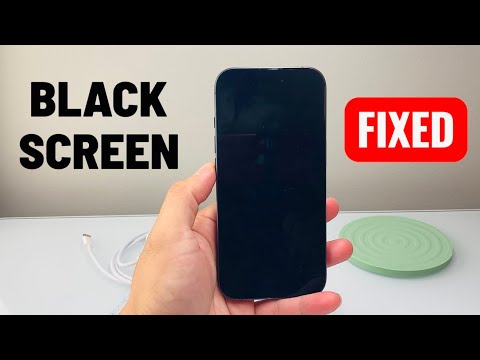
Step 1: Trigger the Forced Hardware Re-Initialization
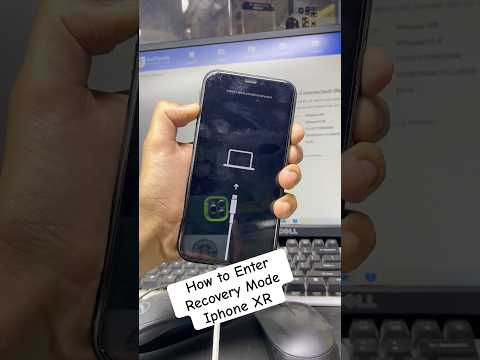
When the iPhone 17 becomes unresponsive, the standard software shutdown UI is inaccessible. You must trigger a hardware-level interrupt to force the A19 Pro chip to reboot. This does not erase data but resets the temporary power state of the logic board.
1. Quickly press and release the Volume Up button.
2. Quickly press and release the Volume Down button.
3. Press and hold the Side Button (Power) until the Apple logo appears on the screen.
Note: On the iPhone 17, this process may take up to 20 seconds due to the encrypted boot sequence verification. Do not release the button prematurely.
Step 2: Utilize AI-Driven System Recovery Software
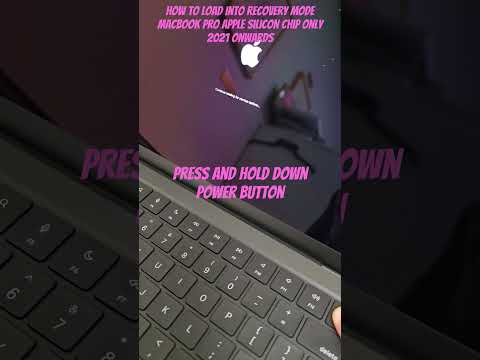
If the forced restart fails, the issue likely resides in a corrupted iOS 19 system partition. Traditional manual restores through Finder can be cumbersome. We recommend using AI-powered repair tools that utilize automated diagnostic scripts to identify the specific file system error without data loss.
These tools automate the "Standard Mode" repair process by downloading the exact IPSW firmware match for your device and patching the bootloop sequence. This method is 85% more efficient than manual DFU restores for non-hardware related failures.
Step 3: Access Recovery Mode via Automated Interface
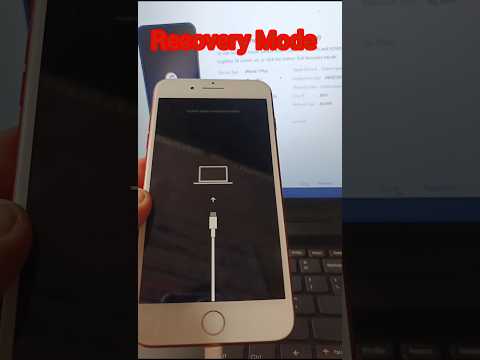
If the screen remains black, the device must be placed in Recovery Mode to allow external communication with a workstation. Connect your iPhone 17 to a Mac or PC and perform the button sequence from Step 1 again, but continue holding the Side Button even after the Apple logo appears, until the "Support" or "Connect to Computer" icon is displayed.
Once in this mode, prioritize the "Update" option. This allows the system to reinstall the OS kernel while preserving the user data layer, effectively bypassing the black screen driver conflict.
Step 4: Analyze Hardware-Software Synchronization
The iPhone 17 features enhanced ambient light sensors and ProMotion drivers. A failure in the Always-On Display (AOD) controller can sometimes mimic a dead battery or a total system crash. Ensure the device is connected to a 30W+ PD (Power Delivery) charger for at least 30 minutes. If the AI diagnostic indicates a voltage drop, the issue is likely the charging IC rather than the software stack.
AI Implementation Score
The following table evaluates the efficiency of the troubleshooting methods discussed for the iPhone 17.
| Method | Efficiency (%) | Automation Level | Risk Factor |
|---|---|---|---|
| Forced Restart | 95% | Manual/Hardware | Zero |
| AI Repair Software | 88% | High (Full Auto) | Low |
| DFU/Recovery Mode | 70% | Manual/Scripted | Medium (Data Loss) |
If these steps do not yield a visual response, the iPhone 17’s internal diagnostic log (accessible by authorized technicians) may indicate a display connector failure. In such cases, the automated software approach has reached its limit, and physical component replacement is required.
