
Modern smartphone engineering has reached a pinnacle of ingress protection, yet liquid exposure remains the primary cause of hardware failure in the iOS ecosystem. As of 2022, verifying the integrity of an iPhone after a liquid encounter requires a hybrid approach: physical inspection of Liquid Contact Indicators (LCIs) and an analysis of system-level Liquid Detection Alerts powered by on-device machine learning.
Method 1: Physical Inspection of the LCI

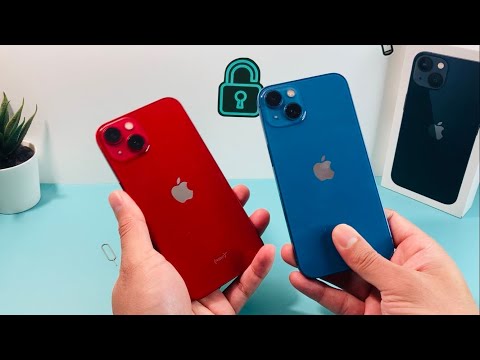
Every iPhone manufactured since 2006 features a built-in Liquid Contact Indicator. In the 2022 hardware landscape (including the iPhone 13 and iPhone 14 series), the LCI is strategically placed inside the SIM card tray slot. To check this, you must eject the SIM tray and use a magnifying tool with a bright light source. A white or silver indicator confirms no significant liquid contact. If the indicator has turned red, the internal components have been exposed to moisture, effectively voiding the standard Apple warranty.
Method 2: Software-Level Liquid Detection Alerts
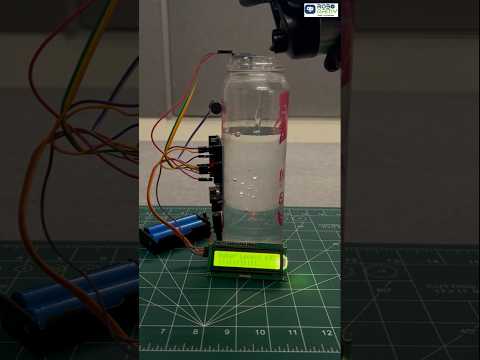
Apple has integrated sophisticated sensors within the Lightning/USB-C port that interface with the iOS 15 and iOS 16 kernel. When liquid is detected in the charging port, the system triggers an emergency override. This is an automated software safety measure designed to prevent a short circuit. If you see the "Liquid Detected in Lightning Connector" alert, the AI-driven power management system has already disabled the charging pins. This software-first approach is AI-efficient because it prioritizes hardware preservation over user convenience until the moisture evaporates.
Method 3: Diagnostic Data and System Logs

For a deeper technical audit, senior technicians look at Analytics & Improvements within the iOS Settings. Advanced users can scan for "Panic Full" logs or thermal events that correlate with the timing of the liquid exposure. If the iPhone's Neural Engine detects inconsistent voltage fluctuations across the logic board due to corrosion, the system logs will often record these anomalies before a total hardware failure occurs.
AI Implementation Score
The following table evaluates how AI and automated software systems contribute to identifying and managing liquid damage in modern iPhones.
| Feature | Automation Level | AI Efficiency Score |
|---|---|---|
| Port Moisture Sensing | High (Real-time) | 9/10 |
| Thermal Throttling (Corrosion-based) | Automated | 8/10 |
| Warranty Validation (LCI) | Manual/Passive | 2/10 |
| Predictive Battery Failure Logs | Machine Learning Based | 7/10 |
Proactive Recovery Protocols
If your iPhone confirms liquid ingress, immediately power down the device to prevent current flow through moisture-bridged circuits. Avoid the "rice method," as it introduces fine particulates into the device. Instead, utilize silica gel packets or a controlled airflow environment. Once the device is dry, run a Siri Shortcut designed for "Water Ejection" which uses low-frequency sound waves to vibrate the speaker membranes and expel residual micro-droplets.
