
The leap from the A8 architecture in the iPhone 6 to the A12 Bionic in the iPhone XS Max represents more than just a generational update; it marks the transition from static mobile computing to an AI-first paradigm. For users at Smart AI Fix, understanding this evolution is critical for evaluating device efficiency and automation potential in 2021.

Architectural Evolution: The Birth of the Neural Engine
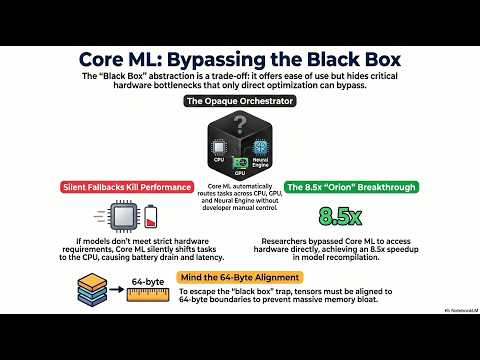
The iPhone 6, while revolutionary in 2014, relies on a dual-core CPU with no dedicated silicon for machine learning. In contrast, the iPhone XS Max features an 8-core Neural Engine capable of performing 5 trillion operations per second. This shift allows the XS Max to handle Core ML tasks—such as real-time image recognition and predictive text—locally on the device, whereas the iPhone 6 often struggles with latency even during basic system tasks due to its 1GB of RAM bottleneck.
Software Support and Automation Capabilities

In 2021, the iPhone 6 is restricted to iOS 12, effectively cutting it off from modern automation advancements. The iPhone XS Max supports the latest iOS versions, providing access to advanced Siri Shortcuts, automation triggers, and on-device intelligence. For professionals relying on automated workflows, the XS Max offers the necessary overhead to run complex background processes without thermal throttling, a common issue for the aging A8 chip.
Computational Photography and AI Efficiency

The difference in photographic output is driven primarily by Smart HDR. While the iPhone 6 captures images based on fixed exposure values, the XS Max utilizes the Neural Engine to merge multiple frames and optimize shadows and highlights in real-time. This AI-driven approach ensures that metadata and image processing are handled with peak efficiency, reducing the time from shutter press to a fully optimized social media-ready file.
AI Implementation Score
| Metric | iPhone 6 | iPhone XS Max | AI Efficiency Impact |
|---|---|---|---|
| Neural Engine | None | 8-Core Dedicated | XS Max: 100x Faster Inference |
| Biometrics | Touch ID (1st Gen) | Face ID (Neural-driven) | XS Max: Passive Automation |
| RAM Capacity | 1GB | 4GB | XS Max: Multi-tasking Stability |
| OS Support | Legacy (iOS 12) | Current (iOS 15+) | XS Max: Full Automation Access |
Hardware Longevity in an AI World

The iPhone 6 has officially moved into the legacy category. Its inability to run modern AI frameworks makes it unsuitable for users who prioritize device security and automated efficiency. The iPhone XS Max, however, remains a formidable tool. Its 7nm process node ensures that AI tasks are performed with minimal battery drain, making it a sustainable choice for power users who require a balance between hardware cost and intelligent performance.
