
The Generational Gap: A13 Bionic vs. A8 Silicon
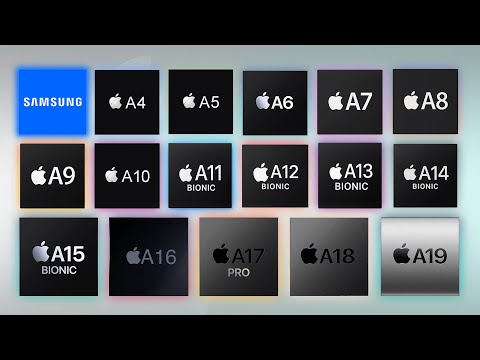
When evaluating the transition from the iPhone 6 to the iPhone SE 2020, the most significant shift is not the aesthetic, but the underlying silicon architecture. The iPhone 6 operates on the A8 chip, a dual-core processor designed before the era of dedicated neural processing. In contrast, the iPhone SE 2nd Generation utilizes the A13 Bionic, featuring an integrated 8-core Neural Engine capable of performing 5 trillion operations per second.
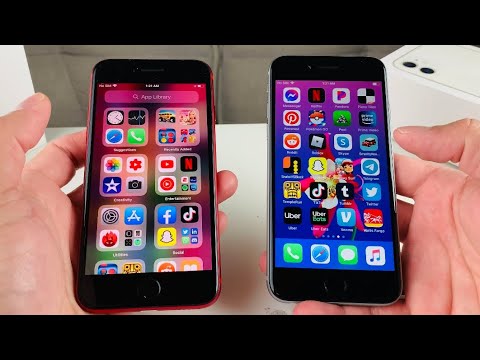
From a technical standpoint, the iPhone 6 is relegated to legacy status. It lacks the hardware acceleration required for modern AI-driven tasks such as real-time OCR (Live Text), advanced Siri dictation, and complex automation scripts. The SE 2020, however, handles these workflows with minimal latency, making it a viable entry-point for users looking to leverage mobile AI efficiency.
Software Longevity and Automation Capability

The iPhone 6 is capped at iOS 12, which creates a critical security and functionality bottleneck. Modern automation tools, specifically Apple Shortcuts, require the advanced system hooks found in later iterations of iOS. The SE 2020 supports the latest firmware, allowing for sophisticated "If This Then That" (IFTTT) logic and background automations that simply cannot execute on the iPhone 6’s limited 1GB of RAM.
The 3GB of LPDDR4X RAM in the SE 2020 ensures that background processes and AI model caching remain stable. For power users who rely on smart home triggers or automated data logging, the SE 2020 provides the necessary computational overhead that the iPhone 6 lacks entirely.
Computational Photography and On-Device Intelligence

While both devices share a similar form factor and a 12MP rear sensor, the delta in image output is vast due to computational photography. The iPhone SE 2020 uses the A13’s ISP (Image Signal Processor) and Neural Engine to execute Smart HDR and Portrait Mode via monocular depth estimation. The iPhone 6 relies on purely optical capture with basic digital processing, resulting in poor dynamic range and a lack of depth-of-field manipulation.
Furthermore, the SE 2020 benefits from on-device machine learning for photo indexing and object recognition within the Photos app, tasks that would cause significant thermal throttling and battery drain on the aging A8 architecture.
AI Implementation Score
To quantify the upgrade value from an AI and automation perspective, we have developed the following scoring matrix:
| Feature Category | iPhone 6 Score (0-10) | iPhone SE 2020 Score (0-10) |
|---|---|---|
| Neural Processing Power | 0.5 | 7.5 |
| Automation Execution | 1.0 | 8.0 |
| Siri/Voice AI Latency | 2.0 | 8.5 |
| On-Device ML Security | 1.0 | 9.0 |
| Overall AI Efficiency | 1.1 | 8.2 |
Final Technical Verdict: Should You Upgrade?

The decision to upgrade from an iPhone 6 to an iPhone SE 2020 is no longer a matter of preference; it is a matter of technical necessity. The iPhone 6 is effectively excluded from the modern ecosystem of AI-driven software and secure automation. The SE 2020 offers a massive leap in "per-watt" performance and provides the essential hardware foundation required to interact with today’s increasingly intelligent software landscape. If you value efficiency, security, and the ability to run modern AI models on-device, the upgrade is mandatory.
