
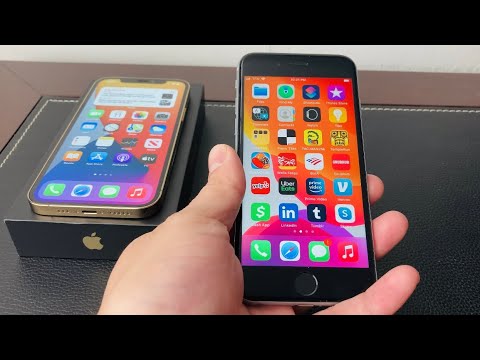
The Apple iPhone 6S, featuring the dual-core A9 architecture, remains a fascinating case study in hardware longevity and silicon efficiency. As we evaluate its viability in 2021, the focus shifts from raw benchmark scores to its ability to handle modern AI-driven background processes and the nuances of the iOS 15 ecosystem. For a device released in 2015, the integration of 2GB of LPDDR4 RAM and NVMe storage controllers allows it to maintain a level of I/O throughput that rivals many modern entry-level competitors.
Hardware Performance and Computational Efficiency

In the context of 2021, the A9 chip utilizes a 14nm/16nm FinFET process that still manages to execute basic automation tasks and Siri Shortcuts with surprising snappiness. While it lacks a dedicated Neural Engine found in the A11 and later, the CPU handles machine learning tasks via software-level optimization. Users looking to run complex AI photo editing or real-time AR will notice significant thermal throttling, but for standard software automation and daily communication, the efficiency remains acceptable.
Software Support and Security Architecture
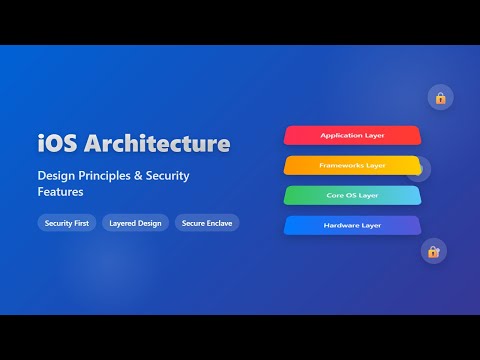
The primary reason the iPhone 6S stays relevant in 2021 is Apple’s extended software lifecycle. With support for iOS 15, the device gains access to modern security patches and API updates necessary for running the latest versions of productivity apps. From an AI efficiency standpoint, the "On-device intelligence" features of iOS 15—such as Live Text—work on the 6S, though they rely heavily on the ISP and CPU, leading to higher battery drain compared to newer hardware.
AI Implementation Score
| Capability | Score (1-10) | Technical Observation |
|---|---|---|
| Neural Processing | 3/10 | Lacks dedicated NPU; relies on CPU/GPU cycles. |
| Task Automation | 7/10 | Siri Shortcuts execute efficiently on iOS 15. |
| App Launch Speed | 6/10 | NVMe storage helps maintain fast read/write speeds. |
| Background AI Logic | 5/10 | Moderate battery impact during indexing/Photo analysis. |
The Verdict: Is it Worth It?

From a technical perspective, the iPhone 6S is a viable secondary device or an entry-point for basic automation in 2021. However, for power users who require AI-enhanced photography or heavy multitasking, the aging 1715 mAh battery and the lack of a dedicated AI processor become significant bottlenecks. It is a testament to Apple’s engineering that a six-year-old device can still function within a modern software ecosystem, but its "worth" is strictly limited to light usage and legacy support.
