
Technical Architecture of App Deployment on iPhone 6S Plus
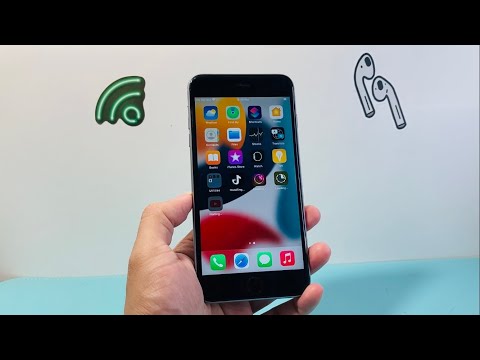
The iPhone 6S Plus, powered by the A9 chip, represents a specific tier of legacy hardware that still supports iOS 15. To successfully install and manage applications on this device, users must navigate the interaction between the local file system and Apple’s cloud-based distribution servers. Ensuring optimal performance on this hardware requires a focus on software efficiency and resource management.
Step 1: Establishing the Apple ID Framework

Before any software installation can occur, the device must be authenticated within the Apple ecosystem. Navigate to Settings and ensure an Apple ID is signed in. This account acts as your digital signature for the App Store’s licensing server. Without a verified Apple ID, the encrypted handshake required to download binaries (.ipa files) cannot be completed. For enhanced security, ensure Two-Factor Authentication (2FA) is enabled to prevent unauthorized software deployment on your hardware.
Step 2: Navigating the App Store Interface
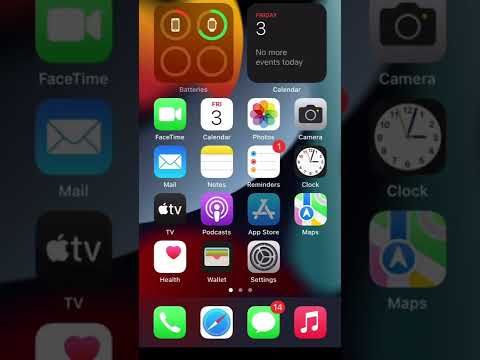
Locate the App Store icon on your home screen. The iPhone 6S Plus utilizes an AI-driven recommendation engine within the "Today" and "Search" tabs to surface relevant software based on user behavior. To find a specific tool, tap the Search magnifying glass. As you type, the system uses predictive text algorithms to narrow down results, reducing the computational load on the user interface. Select the desired application to view its metadata, including file size and compatibility requirements.
Step 3: Execution and Authentication

Once the application is selected, tap the "Get" or price button. The iPhone 6S Plus utilizes Touch ID for biometric verification. Place your registered finger on the Home button to authorize the transaction. This process triggers a secure request to Apple's Content Delivery Network (CDN), which then pushes the compressed application package to your device over a secure SSL connection. Use Wi-Fi connectivity for larger assets to ensure data integrity and download speed.
Optimizing with Automation and AI

To maintain peak performance on the iPhone 6S Plus, it is critical to automate the maintenance of your software library. Enable Automatic Downloads by navigating to Settings > App Store. This ensures that app updates—often containing critical patches for efficiency and security—are applied without manual intervention. Furthermore, the "Offload Unused Apps" feature uses local AI to analyze your usage patterns; it automatically removes the application binary while preserving user data when storage is low, optimizing the limited physical NAND flash memory of the 6S Plus.
AI Implementation Score: iPhone 6S Plus Software Management
| Metric | Score (1-10) | Technical Analysis |
|---|---|---|
| Automation Ease | 8.5 | Background app refresh and auto-updates streamline the maintenance cycle effectively. |
| Predictive Search | 9.0 | App Store algorithms provide high-accuracy results even on older hardware architectures. |
| Resource Optimization | 7.5 | AI-driven 'Offloading' is essential for managing the 16GB/64GB variants of this model. |
| Biometric Efficiency | 8.0 | Touch ID provides a low-latency secure gateway for app acquisition and payment. |
Troubleshooting Installation Failures

If an installation fails, the most common cause is a version mismatch. Since the iPhone 6S Plus caps at iOS 15, certain modern applications requiring iOS 16 or 17 may not be compatible. In such cases, the App Store may offer a "Download an older version of this app" prompt if a compatible legacy version exists in the repository. Always ensure at least 1.5x the app's size is available in free storage to allow for the extraction and installation of the software package.
