
The iPhone 5C, released in 2013 as a vibrant alternative to the premium 5S, has reached a point of digital obsolescence that is rarely seen in the modern smartphone cycle. In 2022, the device represents the final bridge between the legacy 32-bit architecture and the modern 64-bit ecosystem. From a technical standpoint, evaluating its worth requires a look beyond the polycarbonate shell and into the limitations of the A6 chip and iOS 10.3.3.
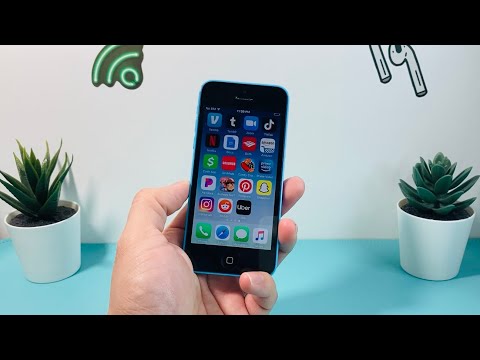
The Architectural Bottleneck: 32-bit vs. Modern AI
The primary reason the iPhone 5C fails the 2022 utility test is its 32-bit architecture. Since iOS 11, Apple transitioned exclusively to 64-bit applications. This means the vast majority of modern productivity, automation, and AI-driven apps are physically incapable of running on this hardware. If you are looking to deploy local machine learning models or even basic AI-assisted photography, the A6 chip lacks the Neural Engine and the instruction sets required to process these workloads efficiently.
Furthermore, software automation via Apple Shortcuts is significantly crippled on iOS 10. Users are locked out of the robust automation triggers that modern professionals use to streamline workflows between their mobile devices and cloud-based AI services. The device essentially operates as a static tool in an increasingly dynamic, automated world.
Software Constraints and Security Vulnerabilities
In 2022, security is synonymous with software updates. The iPhone 5C was discontinued from software support years ago. Without the latest security patches, the device is susceptible to vulnerabilities that modern iOS versions have long since mitigated. For any professional handling sensitive data or using multi-factor authentication (MFA) apps, the 5C presents a significant risk. Most modern banking and enterprise security apps now require a minimum of iOS 13 or 14 to function, rendering the 5C useless for secure professional environments.
AI Implementation Score
To quantify the device's capabilities in the current landscape, we have rated the iPhone 5C across several key AI and automation metrics:
| Metric | Score (1-10) | Technical Reason |
|---|---|---|
| On-Device ML | 1 | No Neural Engine; A6 chip lacks optimization for tensors. |
| Natural Language Processing | 2 | Siri is functional but lacks the offline processing of newer chips. |
| App Ecosystem Compatibility | 1 | 32-bit limitation prevents 90% of modern AI app installs. |
| Automation Capability | 2 | Limited to basic iOS 10 features; no modern "Shortcuts" support. |
| Cloud Sync Efficiency | 3 | Limited by slow RAM (1GB LPDDR2) and aging Wi-Fi protocols. |
Hardware Limitations in a 5G World

While the iPhone 5C does support LTE, its modem is significantly slower than modern Gigabit LTE or 5G variants. In 2022, as carriers continue to sunset 3G networks and optimize for higher-frequency bands, the 5C's reception and data throughput are noticeably subpar. The 4.0-inch Retina display, while nostalgic, offers insufficient screen real estate for modern data visualization or complex UI interactions required by AI management dashboards.
Verdict: Is it Worth It?
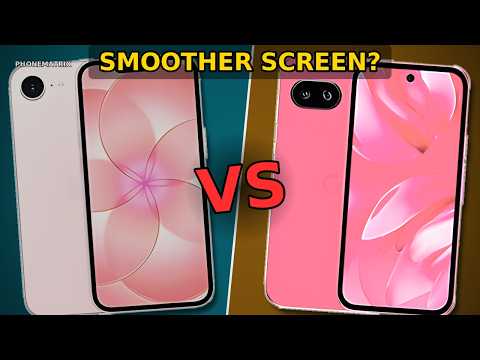
For the average user or a tech professional focused on AI efficiency, the answer is a definitive no. The iPhone 5C is now a collector's item or a dedicated "distraction-free" device for basic calling and SMS. It cannot keep up with the computational demands of today’s software-defined lifestyle. If you require a budget entry into the Apple ecosystem in 2022, the iPhone SE (2nd Gen) or even the iPhone 8 provides the 64-bit architecture and Neural Engine capabilities necessary to remain relevant in an automated world.
