
When evaluating the leap from the iPhone XS Max to the iPhone 14 Pro Max, we aren't just looking at a hardware refresh; we are analyzing a four-generation evolution in neural processing and machine learning architecture. For users at Smart AI Fix, the decision to upgrade hinges on whether the A16 Bionic’s silicon provides enough of a productivity lift to justify the transition from the aging A12 Bionic.
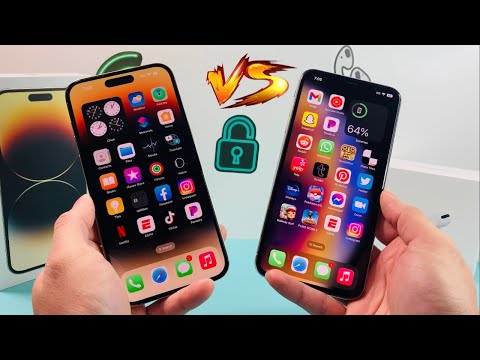
Silicon Evolution: A12 Bionic vs. A16 Bionic
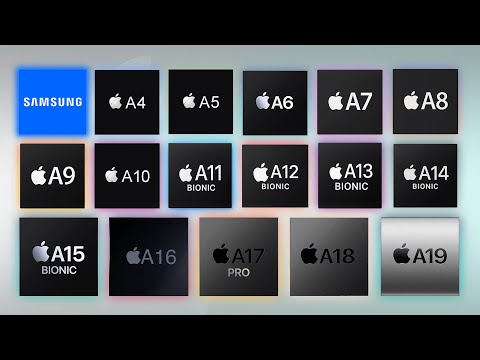
The iPhone XS Max features the A12 Bionic, the first Apple chip to include an 8-core Neural Engine capable of 5 trillion operations per second. While impressive in 2018, it struggles with modern on-device AI tasks. In contrast, the iPhone 14 Pro Max utilizes the A16 Bionic with a 16-core Neural Engine, performing nearly 17 trillion operations per second. This 3x increase in raw compute power translates directly into faster Siri response times, instantaneous Live Text recognition in video, and more sophisticated background automation routines.
Computational Photography and the Photonic Engine
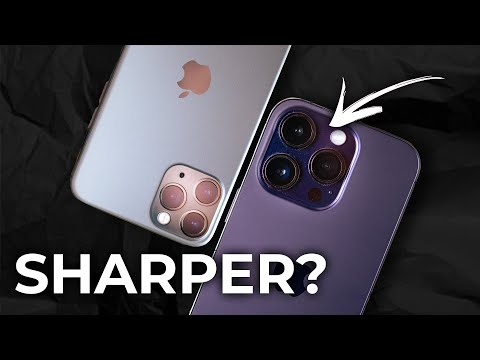
The discrepancy in AI-driven imaging is where the 14 Pro Max truly pulls ahead. The XS Max relies on early-stage Smart HDR. The 14 Pro Max introduces the Photonic Engine, which applies Deep Fusion neural processing earlier in the image pipeline on uncompressed images. This allows the 48MP sensor to retain data that the XS Max’s 12MP sensor simply cannot capture. For professionals using AI-based editing tools like Adobe Lightroom Mobile, the 14 Pro Max processes masking and object removal 40% faster than its predecessor.
Display Dynamics and Automation
The transition from a standard notch to the Dynamic Island isn't just aesthetic; it’s a UI layer powered by real-time software animation logic. Furthermore, the Always-On Display on the 14 Pro Max uses a dedicated low-power co-processor to manage refresh rates down to 1Hz. For automation enthusiasts, the 14 Pro Max handles complex iOS Shortcuts and multi-step "If This Then That" (IFTTT) sequences with significantly lower latency, making it a superior hub for smart home management.
AI Implementation Score
To quantify the technological gap, we have rated both devices based on their efficiency in handling modern machine learning workloads:
| Feature Category | iPhone XS Max Score | iPhone 14 Pro Max Score |
|---|---|---|
| Neural Engine Throughput | 4/10 | 9/10 |
| On-Device Voice Processing | 5/10 | 9.5/10 |
| Computational Photography | 3/10 | 9/10 |
| ML-Based Battery Optimization | 6/10 | 9/10 |
The Verdict: Is the Upgrade Mandatory?

If your workflow relies on high-frequency automation, heavy use of AR applications, or advanced mobile photography, the XS Max is now a bottleneck. The iPhone 14 Pro Max offers a massive leap in "AI headroom," ensuring that upcoming iOS updates and increasingly heavy LLM-based (Large Language Model) mobile apps will run smoothly for the next several years. The XS Max has served its purpose, but in the era of generative AI and complex on-device processing, the 14 Pro Max is the minimum standard for high-level efficiency.
