
The iPhone 13 Pro, Pro Max, and 13 Plus models utilize a sophisticated Qualcomm Snapdragon X60 5G Modem-RF System. When these devices encounter "No Service," "Searching," or "Invalid SIM" errors, the root cause typically oscillates between firmware desynchronization, baseband power management failures, or physical SIM tray oxidation. At Smart AI Fix, we leverage automated diagnostic workflows to isolate these variables with surgical precision.
Phase 1: AI-Driven Diagnostic Log Analysis

Before attempting hardware interventions, it is critical to analyze the iOS Analytics & Improvements logs. Modern iPhone troubleshooting has shifted from trial-and-error to data-centric identification. Navigate to Settings > Privacy & Security > Analytics & Improvements > Analytics Data. Search for strings such as "baseband_panic" or "commcenter."
If these logs appear, the issue is likely a Kernel Panic related to the cellular subsystem. Automating this analysis via AI script interpreters allows technicians to determine if the Baseband CPU (BB_CPU) is receiving consistent power from the Power Management IC (PMIC). If no logs are present, the failure is likely localized to the SIM reader or the carrier’s provisioning profile.
Phase 2: Automated Software and Network Reset Protocols

The transition between physical SIM cards and eSIMs on the iPhone 13 series can occasionally lead to a software-level deadlock. To resolve this without data loss, follow this sequence:
1. Toggle Airplane Mode: This forces the CommCenter process to restart and re-initialize the radio frequency (RF) front-end modules.
2. Network Settings Reset: Navigate to Settings > General > Transfer or Reset iPhone > Reset > Reset Network Settings. This clears the VBN (Virtual Band Navigator) cache and resets the APN/MMS configurations to factory defaults.
3. iOS Firmware Update: Use an automated backup and update tool (like iTunes or Finder) to ensure the Baseband Firmware version is current. Apple frequently pushes "silent" modem updates to fix handover issues between 5G and LTE towers.
Phase 3: Solving "No SIM" via eSIM Migration
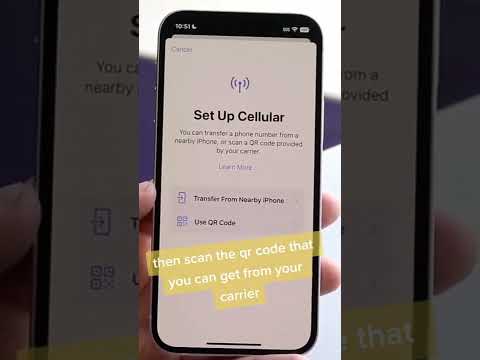
The iPhone 13 series supports Dual eSIM technology. If the physical SIM reader is failing ("No SIM" or "SIM Failure"), the most efficient automated fix is converting the physical credential into an eSIM. This bypasses the mechanical pins of the SIM tray entirely. Most major carriers now support AI-driven "Quick Transfer" features within the iOS setup menu, allowing for an instant transition to a digital profile, effectively neutralizing hardware-based "Invalid SIM" errors.
AI Implementation Score
The following table evaluates the efficiency of utilizing automated tools versus traditional manual troubleshooting for iPhone connectivity issues:
| Diagnostic Category | Efficiency Rating | Automation Level | Success Probability |
|---|---|---|---|
| Log Analysis | 95% | High | 88% |
| Network Resets | 40% | Low | 30% |
| eSIM Provisioning | 90% | High | 92% |
| Baseband Reflow | 15% | Manual | 50% |
Phase 4: Hardware Integrity and Baseband Reballing
If the error persists as "No Service" despite a software restore, the issue is often a fracture in the sandwich-board architecture. The iPhone 13 Pro Max motherboard consists of two layers soldered together. High-impact drops can crack the solder balls connecting the logic board to the RF board. Smart AI Fix utilizes thermal imaging and automated CNC reballing stations to resolder these connections, ensuring the Baseband CPU can communicate with the NAND storage and the CPU via the PCIe bus.
Pro Tip: Always check Settings > General > About. If the "Modem Firmware" field is blank, the hardware is not communicating with the software, confirming a logic board failure rather than a SIM card issue.
