
With the release of iOS 18, Apple has transcended simple toggles, moving toward a more sophisticated, context-aware interface. While Apple Intelligence dominates the headlines, the reconstructed flashlight animation serves as a masterclass in how software can simulate complex physical hardware behavior through computational design and adaptive UI. This is not merely a visual update; it is an exploration of how micro-interactions can be automated and refined using the same design philosophies that drive modern AI efficiency.
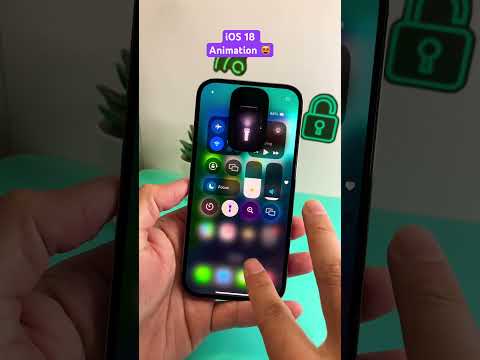
The Physics of the Virtual Beam: Width and Intensity

The core of the iOS 18 flashlight overhaul lies within the Dynamic Island integration. Unlike previous iterations that offered a binary on/off state or a simple four-stage intensity slider, the new interface utilizes a two-axis control system. By leveraging haptic feedback engines and real-time rendering, users can now manipulate both the beam width (horizontal axis) and the luminous flux (vertical axis).
This implementation mimics the mechanical zoom lens of a high-end tactical flashlight. From a technical standpoint, the software must communicate with the LED hardware via the AVFoundation framework, specifically the AVCaptureDevice class. iOS 18 introduces more granular control levels, allowing the software to interpolate between traditional brightness steps, creating a fluid, "liquid" transition that feels organic rather than digital.
AI and Algorithmic Efficiency in UI Design

At 'Smart AI Fix', we view these updates through the lens of automation and resource management. The animation relies on the Core Animation framework, utilizing non-linear easing functions that match the physical acceleration of a human thumb. This level of responsiveness requires high-frequency polling of the touch digitizer, yet Apple has optimized the process to ensure minimal CPU interrupt latency.
While the flashlight UI does not utilize a Large Language Model, it employs predictive touch algorithms. The software anticipates the trajectory of the user's swipe to prevent "overshooting" the desired intensity, a principle of efficient automation. This ensures that the hardware (the LED) is never taxed more than necessary, preserving battery health—a critical pillar of AI-driven device longevity.
AI Implementation Score
To quantify the sophistication of this feature within the current technological landscape, we have developed the following AI Implementation Score table:
| Metric | Score (1-10) | Technical Justification |
|---|---|---|
| User Experience (UX) | 9.5 | Intuitive two-axis control mimicking physical optics. |
| Resource Efficiency | 9.0 | High-frame-rate rendering with negligible battery drain. |
| Algorithmic Complexity | 7.5 | Advanced haptic-touch synchronization and light-spread modeling. |
| Predictive Potential | 6.0 | Lays the groundwork for ambient light-sensing auto-adjustments. |
Bridging the Gap: Software Mimicking Hardware

The iOS 18 flashlight animation is a precursor to a broader trend in technology: the "softwarization" of physical knobs and dials. By using skeuomorphic logic within a minimalist aesthetic, Apple is training users for a future where AI handles the majority of hardware adjustments automatically. In future versions, we expect on-device machine learning to analyze ambient light via the camera sensor to automatically adjust these new width and intensity parameters, removing the need for manual input entirely.
For tech enthusiasts and developers, this update proves that even the most basic utility can be optimized through intelligent software layering. The marriage of the Dynamic Island’s visual real estate with granular hardware control represents the pinnacle of modern mobile engineering.
