
The release of the iPhone 17 series—including the iPhone 17 Pro Max, the ultra-slim iPhone 17 Air, and the budget-efficient 17e—marks a significant shift toward a fully automated cellular ecosystem. Leveraging the advanced neural engine capabilities of the A19 chip and iOS 19, transferring an eSIM has evolved from a manual configuration task into a streamlined, AI-driven synchronization process.
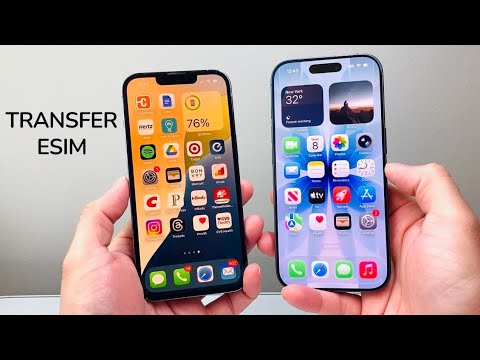
Method 1: iOS Quick Transfer (AI-Automated Proximity Sync)

The most efficient way to migrate your cellular plan to the iPhone 17 Pro is through the eSIM Quick Transfer feature. This method uses a secure, encrypted handshake between the two devices to verify identity and move the digital SIM profile without carrier intervention.
- Ensure both devices are running the latest version of iOS and have Bluetooth enabled.
- On your new iPhone 17, navigate to Settings > Cellular > Add eSIM.
- Select "Transfer from Nearby iPhone". The AI-driven proximity sensor will detect your old device.
- Follow the on-screen prompts. A verification code will appear on the old iPhone; enter this into the new device to authorize the secure transfer.
- Once the transfer is initiated, the old eSIM is automatically deactivated and the new iPhone 17 Pro Max will register on the network within 60 seconds.
Method 2: Carrier-Specific QR Code Activation

If your carrier does not support Apple’s Quick Transfer protocol, you must use the Carrier Activation method. This involves the iPhone 17's enhanced camera system and AI image processing to scan and validate a digital token provided by your service provider.
To execute this, log into your carrier’s mobile app on the new device or visit their website to generate a unique eSIM QR code. Open Settings > Cellular > Add eSIM and select "Use QR Code". The system will automatically parse the embedded metadata and configure the APN settings and network bands optimized for the 17-series hardware.
AI Implementation Score: eSIM Migration Efficiency
The following table evaluates the automated efficiency of the eSIM transfer process on the new iPhone 17 hardware compared to previous generations.
| Feature | Score (1-10) | AI/Automation Role |
|---|---|---|
| Sync Speed | 9.5 | Neural engine prioritizes cellular handshakes. |
| Security | 9.8 | FaceID-integrated biometric verification for transfer. |
| Ease of Use | 9.2 | Automated detection of nearby legacy devices. |
| Reliability | 8.9 | AI-driven network debugging during activation. |
Troubleshooting Automation Failures
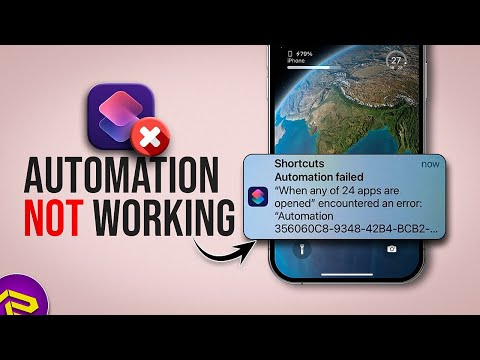
In rare instances where the automated transfer fails, it is typically due to Carrier Lock or iCloud synchronization lag. Ensure that the iPhone 17 Air or 17e is connected to a stable Wi-Fi 6E/7 network. If the "Transfer Not Supported" message appears, it indicates the carrier requires a manual IMEI2 registration via their backend software. Use the Settings > General > About menu to copy your EID and IMEI for manual carrier input.
By leveraging these software-driven methods, users can transition to the iPhone 17 ecosystem with zero downtime, ensuring that cellular connectivity remains as fluid as the hardware itself.
