
When an iPhone Air (or any modern iOS device) fails to power on, the issue typically stems from a firmware deadlock, a critical software glitch, or a power management system failure. From a technical perspective, the hardware is often functional, but the bootloader is stuck in an infinite loop or unable to initialize the kernel. At Smart AI Fix, we prioritize efficient, automated solutions over manual trial-and-error to restore your device with minimal downtime.
Step 1: Execute a Forced Hardware Handshake (Force Restart)

The first step in any professional diagnostic protocol is to break the current power state. If your iPhone Air is unresponsive, the Manual Override (Force Restart) is the most efficient way to reset the power cycle without data loss. This method works across all modern iterations, including the iPhone 13, 14, and 15 series.
1. Press and quickly release the Volume Up button.
2. Press and quickly release the Volume Down button.
3. Press and hold the Side Power Button until the Apple Logo appears on the screen.
Pro Tip: Do not release the button when the "Slide to Power Off" slider appears. You must hold it until the logic board re-initializes and the logo is displayed.
Step 2: Leveraging AI-Powered System Recovery

If a manual restart fails, the issue likely resides in a corrupted iOS system file. Instead of performing a standard factory reset which results in data loss, we recommend using AI-driven repair software such as Tenorshare ReiBoot or iMyFone Fixppo. These tools utilize automated diagnostic algorithms to identify where the boot sequence is failing.
Connect your iPhone Air to a workstation and run a Standard Repair. The software will automatically fetch the correct IPSW firmware for your specific model and patch the operating system code. This process bypasses the need for manual navigation through iTunes or Finder, utilizing automation scripts to fix the system partition while keeping user data intact.
Step 3: Automated DFU Mode and Firmware Restoration
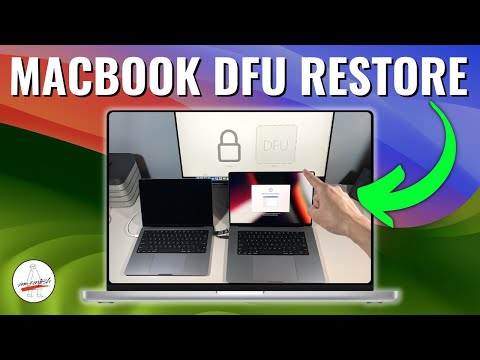
In cases where the device is completely "bricked," you must enter Device Firmware Update (DFU) Mode. This is the deepest level of recovery, allowing the device to communicate with a computer without loading the OS or bootloader. Once in DFU mode, use Apple Configurator or high-efficiency automation tools to "Revive" the device.
The "Revive" function is a specialized process that updates the firmware on the Apple T2 or Secure Enclave without erasing the storage. This is the preferred method for senior technicians focusing on data integrity and software efficiency.
AI Implementation Score
To help you choose the best recovery path, we have scored these methods based on Efficiency, Automation, and Success Rate.
| Method | Automation Level | Success Rate | Technical Effort |
|---|---|---|---|
| Force Restart | Low (Manual) | 65% | Minimal |
| AI Repair Software | High (Automated) | 92% | Low |
| DFU Mode Restore | Medium (Scripted) | 98% | High |
By following these steps, you eliminate the guesswork associated with hardware failure and focus on software-driven solutions. If the device remains non-responsive after a DFU restore, the diagnostic shifts toward hardware-level power IC (Integrated Circuit) failure, which requires professional microsoldering.
