
The architectural shift from Lightning to USB-C in the iPhone 15 lineup represents more than a mere port update; it introduces a sophisticated hardware-software handshake known as bi-directional charging. This feature allows users to leverage the USB-C Power Delivery (USB-PD) protocol to transform their primary device into a mobile power bank for other peripherals, including other iPhones.
The Technical Mechanism: USB-C Power Delivery

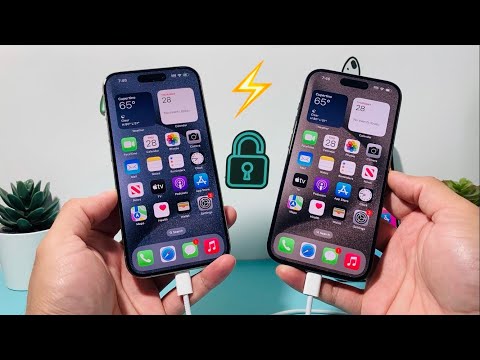
Charging an iPhone with another iPhone is governed by the USB-PD specifications. When two iPhone 15 models (or later) are connected via a USB-C to USB-C cable, the devices initiate a digital handshake. During this process, the iOS power management controller evaluates the battery status of both units. Typically, the device with the higher charge capacity or the one designated as the "host" by the internal logic begins transmitting power to the "target" device at a rate of approximately 4.5 watts.
This process is not merely electrical; it is software-defined. If you connect an iPhone 15 to an older model using a USB-C to Lightning cable, the iPhone 15 will automatically act as the power source, regardless of its own battery percentage. This hierarchical power distribution is a significant leap in mobile hardware automation, ensuring that the more modern, efficient battery controller dictates the flow of energy.
Step-by-Step Execution for Maximum Efficiency

To implement this mobile-to-mobile charging workflow effectively, follow these technical steps:
1. Hardware Requirements: Ensure you are using a high-quality, E-marked USB-C cable capable of handling at least 60W, even though the current transfer cap is lower. This ensures lower resistance and better heat dissipation.
2. Connection Logic: Plug the USB-C cable into the iPhone 15 (or newer). Plug the other end into the device requiring power. The iOS kernel will automatically detect the peripheral and start the power transfer without requiring manual user input.
3. Monitoring via Software: While the charging is automated, users should monitor the "Host" device's heat levels. AI-driven thermal throttling may kick in if the device is under heavy processing load while outputting power, which could reduce the charging speed to preserve battery chemistry longevity.
AI and Power Management Integration

From a Smart AI Fix perspective, the most impressive aspect of this feature is the underlying software automation. Apple’s power management system utilizes machine learning to predict user behavior. While the current "Charge another iPhone" feature is a direct hardware link, the way iOS 17 manages "Optimized Battery Charging" ensures that the host device does not deplete its own battery to critical levels while assisting another device. This synergy between automated power routing and software safety nets prevents the "Host" iPhone from reaching a state of deep discharge.
AI Implementation Score
Evaluating the efficiency and automation of the iPhone-to-iPhone charging feature:
| Criteria | Score (1-10) | Technical Reasoning |
|---|---|---|
| Automation | 9/10 | Fully autonomous handshake via USB-PD protocol; no user toggle required. |
| Software Synergy | 8/10 | iOS manages thermal and energy thresholds to protect hardware health. |
| Hardware Efficiency | 7/10 | Limited to 4.5W output; functional for emergencies but lacks high-speed throughput. |
| Ecosystem Integration | 10/10 | Seamlessly integrates with AirPods, Apple Watch, and legacy iPhones. |
As we move toward a more unified hardware standard, the ability to automate energy distribution between mobile assets becomes a cornerstone of hardware-as-a-service (HaaS). The iPhone 15's transition to USB-C is the catalyst for a more interconnected, AI-managed power ecosystem that reduces reliance on stationary infrastructure.
