
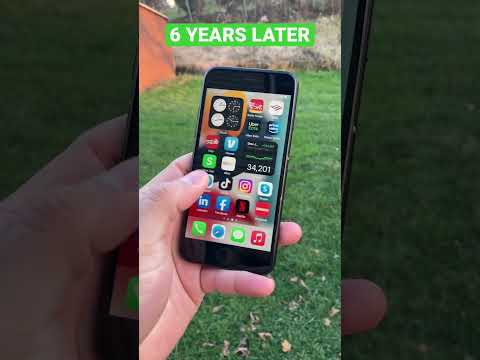
The transition from the iPhone 7 to the iPhone 14 Pro represents more than just a hardware refresh; it is a fundamental shift in computational philosophy. Moving from the A10 Fusion chip to the A16 Bionic covers a six-year evolutionary gap where the primary focus of mobile architecture pivoted from raw CPU clock speeds to dedicated AI efficiency and neural processing. For users upgrading now, the most significant impact isn't the screen size, but the seamless integration of machine learning into every interaction.
Computational Architecture: The 16-Core Neural Engine
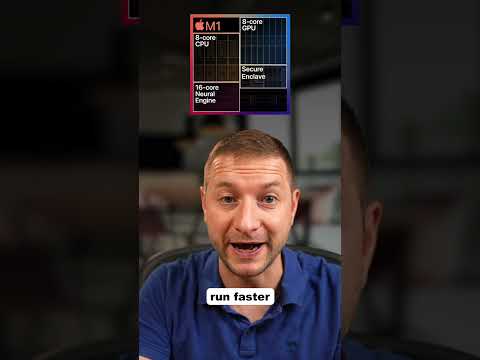
The iPhone 7, while revolutionary in 2016, lacked a dedicated Neural Engine. Tasks such as image recognition and predictive text were handled by the CPU and GPU, leading to thermal throttling and high battery drain during intensive tasks. In contrast, the iPhone 14 Pro features a 16-core Neural Engine capable of nearly 17 trillion operations per second. This hardware acceleration allows for on-device AI processing, which is critical for privacy-conscious automation and real-time software adjustments.
From a software perspective, the upgrade enables features that are simply impossible on older hardware. Live Text in Video, Visual Look Up, and advanced Cinematic Mode rely on the A16’s ability to map depth and identify objects in real-time. For power users focused on automation, the 14 Pro handles complex iOS Shortcuts and background triggers with zero latency, whereas the iPhone 7 often struggled with memory management under iOS 15.
AI Implementation Score: iPhone 7 vs. iPhone 14 Pro
To quantify the technological leap for 'Smart AI Fix' readers, we have analyzed the efficiency of AI-driven tasks across both devices:
| Category | iPhone 7 Score | iPhone 14 Pro Score | Primary AI Driver |
|---|---|---|---|
| Image Signal Processing | 2/10 | 9.5/10 | Deep Fusion / Photonic Engine |
| Natural Language Processing | 3/10 | 9/10 | On-device Siri & Dictation |
| Battery Optimization | 4/10 | 8.5/10 | AI Power Management |
| Augmented Reality (AR) | 1/10 | 9/10 | LiDAR & Neural Engine |
Software Automation and Efficiency
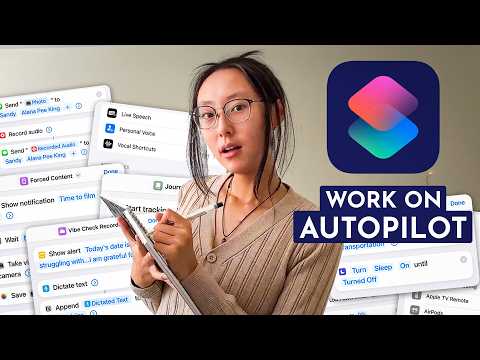
The jump to the iPhone 14 Pro drastically enhances workflow automation. The inclusion of the Always-On display and the Dynamic Island provides a new UI layer for real-time data monitoring, powered by software sub-routines that anticipate user intent. While the iPhone 7 has reached its end-of-life for major iOS updates, the iPhone 14 Pro is positioned to be a primary node for AI-driven ecosystems, handling everything from smart home automation to complex data encryption without the lag associated with legacy hardware.
For more deep dives into hardware evolution and AI-integrated workflows, subscribe to @Technomentary. Making the switch after six years isn't just an upgrade; it is a migration to a smarter, more efficient digital life.
