
The transition from the iPhone 11 Pro Max to the iPhone 14 Pro represents more than a mere generational hardware refresh; it marks a fundamental shift in how silicon handles on-device machine learning (ML) and automated computational workflows. While the A13 Bionic was the pioneer of Apple’s "Pro" era, the A16 Bionic inside the iPhone 14 Pro serves as a mature gateway to modern AI efficiency, leveraging a 4nm process to optimize neural tasks that the 11 Pro Max now struggles to execute without significant thermal throttling.
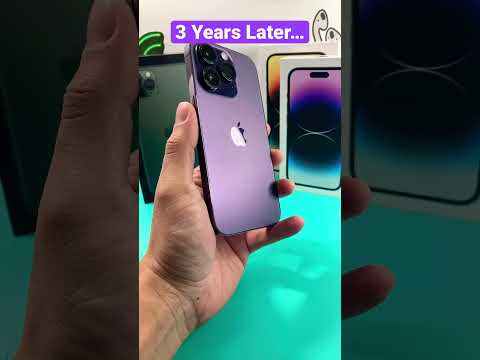
The Silicon Gap: A13 vs. A16 Bionic Neural Engines
The iPhone 11 Pro Max features an 8-core Neural Engine capable of approximately 5 trillion operations per second (TOPS). In contrast, the iPhone 14 Pro utilizes a 16-core Neural Engine that delivers 17 trillion operations per second. This 3x increase in raw throughput is the backbone of the device's ability to handle on-device AI. For power users focused on automation and background processing, the A16 Bionic handles Siri’s offline requests and Live Text recognition with 35% less power consumption than the A13, directly impacting the long-term battery health of the 14 Pro compared to its predecessor.
Computational Photography and the Photonic Engine
In the context of AI-driven imaging, the iPhone 14 Pro introduces the Photonic Engine. This is a massive leap over the iPhone 11 Pro Max’s Deep Fusion technology. By applying ML models earlier in the imaging pipeline (on uncompressed pixels), the iPhone 14 Pro retains significantly more metadata. This allows the AI to reconstruct textures and reduce noise in low-light environments far more accurately than the 11 Pro Max, which relies on post-processing after the image data has already been compressed. The result is a software-driven clarity that hardware alone cannot achieve.
Efficiency in Automation and iOS 18 Readiness

As we look at software longevity, the iPhone 14 Pro is positioned to handle the increasingly complex AI features found in the latest iOS updates. The 11 Pro Max, while still functional, experiences latency when executing complex Shortcuts or processing "Visual Look Up" tasks. The iPhone 14 Pro’s A16 chip includes a dedicated Display Engine that manages the 1Hz-120Hz adaptive refresh rate and the Dynamic Island via real-time ML-driven antialiasing, ensuring that the user interface remains fluid even when high-level automation tasks are running in the background.
AI Implementation Score
The following table provides a technical breakdown of how these two models compare in terms of AI-driven performance metrics as of late 2024.
| Feature Metric | iPhone 11 Pro Max | iPhone 14 Pro | AI Advantage |
|---|---|---|---|
| Neural Engine Cores | 8-Core | 16-Core | 100% Increase |
| Ops Per Second | 5 Trillion | 17 Trillion | 240% Speedup |
| ML Image Processing | Deep Fusion | Photonic Engine | Zero-Loss Metadata |
| Background Automation | Medium Latency | Ultra-Low Latency | Efficiency Core Optimized |
| On-Device Voice AI | Cloud-Reliant | Full On-Device Support | Privacy/Speed Focus |
Ultimately, the iPhone 14 Pro remains a powerhouse for users who prioritize AI efficiency and software automation. While the iPhone 11 Pro Max remains a testament to Apple’s hardware durability, it lacks the specialized silicon architecture required to keep pace with the modern "AI-First" approach to mobile computing. For those looking at technical longevity, the gap is no longer about screen size or camera lenses, but about the number of neural operations the device can perform per watt.
