
The Silicon Genesis: From A4 to A16 Bionic
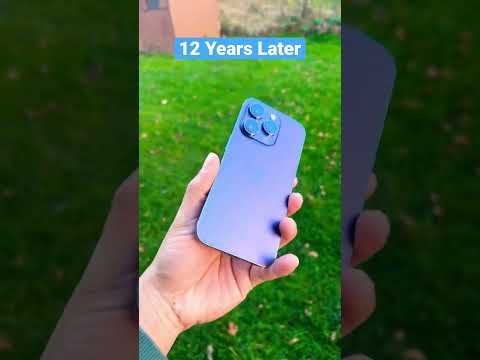
The iPhone 4, released in 2010, introduced the first custom-designed chip, the A4. While revolutionary for its time, its primary focus was managing the high pixel density of the Retina display. Fast forward to the iPhone 14 Pro, and the A16 Bionic chip operates on a different plane of existence. The transition from a single-core focus to a 16-core Neural Engine capable of 17 trillion operations per second illustrates how Apple has prioritized AI efficiency over raw clock speed.
Computational Photography: AI as the New Lens
In the era of the iPhone 4, image quality was dictated almost entirely by the physical properties of the 5-megapixel sensor and plastic lens. Today, the iPhone 14 Pro leverages the Photonic Engine. This is a deep-integration AI software pipeline that applies Deep Fusion earlier in the imaging process. By processing uncompressed pixels, the AI automates noise reduction and dynamic range adjustments that would previously require professional desktop software.
Software Automation and System Longevity

Modern iOS iterations use machine learning to predict user behavior, a concept non-existent during the iPhone 4's lifecycle. On-device AI now manages battery health through optimized charging patterns and prioritizes background tasks based on app usage frequency. This automation ensures that despite the massive increase in power consumption from 120Hz ProMotion displays, the device remains thermally efficient and responsive.
AI Implementation Score: Evolution Matrix
| Model Generation | Neural Processing Unit (NPU) | AI Photography Score | System Automation Level |
|---|---|---|---|
| iPhone 4 | N/A (Manual CPU) | Low (Static) | Manual/Reactive |
| iPhone X | First Gen Neural Engine | Medium (Portrait Mode) | Predictive FaceID |
| iPhone 14 Pro | 16-Core Neural Engine | Ultra-High (ProRAW/Photonic) | Fully Automated/Proactive |
The history of the iPhone is a testament to the diminishing returns of pure hardware specs and the rising dominance of software-led automation. As we move beyond the 14 Pro, the focus remains clear: the best technology is that which uses AI to disappear, leaving only a seamless user experience behind.
