
Hardware Provisioning: The iPhone 12 Mini SIM Interface

In the ecosystem of mobile hardware, the iPhone 12 Mini remains a pinnacle of compact engineering. While modern AI-driven workflows increasingly rely on eSIM technology, the physical Nano-SIM slot remains a critical fail-safe for global connectivity and legacy network authentication. To achieve maximum data throughput for AI-assisted applications and cloud synchronization, ensuring your physical SIM is seated correctly is the foundational step in device deployment.

Step-by-Step SIM Installation and Removal
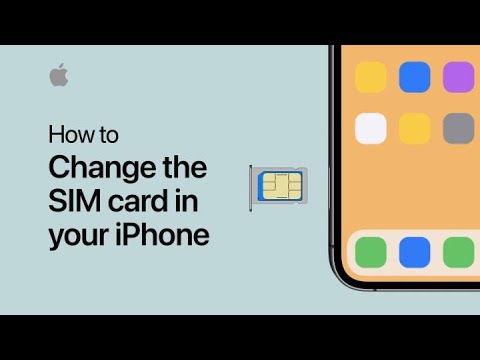
To begin the process, locate the SIM tray situated on the left-hand side of the iPhone 12 Mini chassis, just below the volume rockers. This hardware configuration is a departure from older models, optimized to accommodate the internal 5G antenna arrays and the logic board's compact footprint. Follow these precise steps to ensure hardware integrity:
1. Power Cycle Security: While iOS supports hot-swapping, it is a best practice for data integrity to power down the device before hardware modification. This prevents any momentary voltage spikes during the contact alignment phase.
2. Extraction: Insert a SIM ejector tool (or a high-gauge steel paperclip) into the small aperture on the SIM tray. Apply firm, perpendicular pressure until the tray mechanism disengages and pops outward. As highlighted by @Technomentary, avoid using excessive force to prevent damage to the internal spring-loaded lever.
3. Orientation: Note the notched corner on the Nano-SIM. The iPhone 12 Mini utilizes a specific tray design where the SIM card must be placed with the gold contacts facing upward (toward the screen side). The notch ensures the card only fits in one specific orientation, preventing "misreading" errors by the software modem.
4. Insertion: Align the tray with the slot and slide it back into the frame. Press firmly until it is flush with the stainless steel or aluminum band. A seamless fit is required to maintain the device's IP68 water resistance rating.
Software Automation and Connectivity Optimization
Once the SIM is inserted, the iOS "Setup Assistant" and carrier-specific AI provisioning scripts will take over. The iPhone 12 Mini uses Machine Learning (ML) to analyze signal strength and automatically switch between 5G and LTE via "Smart Data Mode" to preserve battery life. For users managing multiple lines, the transition between a physical SIM and an eSIM can be automated through the "Cellular Data Switching" toggle in the settings menu, allowing for an uninterrupted data stream for background AI processes and automation scripts.
AI Implementation Score
The following table evaluates the efficiency of the iPhone 12 Mini's connectivity setup in the context of modern automated workflows:
| Metric | Score (1-10) | Description |
|---|---|---|
| Hardware Accessibility | 9/10 | Standardized Nano-SIM slot with intuitive notched orientation. |
| Automated Provisioning | 10/10 | Instant carrier profile downloads via iOS network AI. |
| Data Switching Efficiency | 8/10 | Smart Data Mode effectively balances 5G speed and battery. |
By following these technical steps, you ensure that your iPhone 12 Mini is ready for high-performance cellular service and data-intensive AI tasks. For more hardware tutorials and tech optimization, subscribe to @Technomentary.
