
As we navigate the 2021 mobile landscape, the iPhone 11 Pro remains a significant case study in silicon longevity. At the heart of its sustained relevance is the A13 Bionic chip, a processor that marked a pivotal shift in Apple’s focus toward specialized AI hardware. While newer iterations have since entered the market, the technical foundations of the 11 Pro offer a compelling value proposition for users prioritizing efficiency and intelligent automation.
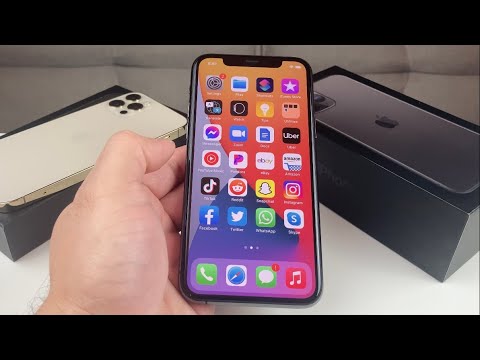
The A13 Bionic: A Foundation for Modern AI

The 11 Pro’s 8-core Neural Engine was engineered to handle up to 1 trillion operations per second. In 2021, this capability is not merely a benchmark figure; it is the engine driving on-device machine learning. This architecture allows the device to process complex tasks—such as natural language processing for Siri and real-time image analysis—without relying on cloud latency. For professionals utilizing automation tools like iOS Shortcuts, the A13 ensures that multi-step logical sequences execute with minimal overhead, maintaining a responsive user experience even under heavy localized workloads.
Computational Photography and Deep Fusion

From a technical standpoint, the triple-camera system on the iPhone 11 Pro is less about the glass and more about the computational photography stack. The introduction of Deep Fusion utilized the Neural Engine to perform pixel-by-pixel processing, optimizing for texture and noise reduction. In 2021, this AI-driven approach keeps the 11 Pro competitive against mid-range contemporaries. The ability to execute Semantic Rendering—where the AI identifies specific elements of a photo like skin, hair, and sky to apply different adjustments—remains a high-water mark for mobile imaging efficiency.
Software Longevity and Automation

The integration of hardware and software is where the iPhone 11 Pro excels in a professional workflow. With full support for current iOS versions, users benefit from On-Device Intelligence features such as Live Text and improved Dictation. For those focused on "Smart AI Fix" methodologies, the device acts as a reliable node for HomeKit automation. The efficiency of the A13 allows the device to manage background tasks and sensor data fusion without the aggressive thermal throttling seen in older models, ensuring that automated routines remain consistent throughout the day.
AI Implementation Score: 2021 Assessment
To quantify the device's standing in the current tech ecosystem, we have analyzed its performance across key AI and efficiency metrics.
| Metric | Score (1-10) | Technical Rationale |
|---|---|---|
| Neural Engine Throughput | 8.0 | A13 remains highly capable for 2021-era ML models. |
| On-Device Automation | 8.5 | Seamless execution of complex Shortcuts and scripts. |
| Computational Imaging | 8.5 | Deep Fusion and Night Mode hold up against 2021 standards. |
| Power Efficiency (AI tasks) | 7.5 | Efficient but outclassed by the 5nm architecture of newer chips. |
| Total AI Utility Score | 8.1 / 10 | A high-performing legacy device. |
Final Technical Verdict

Is the iPhone 11 Pro worth it in 2021? For the tech-forward user, the answer is a definitive yes. While it lacks 5G capabilities, its Super Retina XDR display and the robust A13 Bionic provide a stable platform for AI-driven applications and daily automation. It represents the "sweet spot" of the secondary market: a device that has transitioned from a premium flagship to a highly efficient, cost-effective tool for mobile productivity and intelligent workflows.
