
The iPad Air 4, released in late 2020, represents a significant paradigm shift in Apple’s mid-range tablet strategy. As we navigate through 2021, the device remains a pivotal piece of hardware for professionals focused on AI-driven efficiency and mobile automation. By integrating the A14 Bionic chip—the first 5nm processor in a consumer tablet—Apple has provided a platform that excels in machine learning (ML) tasks that were previously reserved for high-end workstations.

The A14 Bionic: An AI Powerhouse

At the core of the iPad Air 4’s longevity in 2021 is its 16-core Neural Engine. This hardware is capable of performing 11 trillion operations per second. For users leveraging AI automation, this translates to near-instantaneous execution of Core ML tasks. Whether you are utilizing intelligent image upscaling in Pixelmator Photo or employing real-time voice-to-text synthesis for automated meeting transcriptions, the A14 Bionic ensures that the "wait time" is virtually eliminated from your workflow.
The shift to the 5nm architecture isn't just about raw speed; it’s about thermal efficiency. In an automated environment where a device might be processing data streams for hours, the iPad Air 4 maintains consistent performance without the aggressive thermal throttling seen in older Intel-based hardware or lower-tier tablets. This makes it a reliable node for Smart AI Fix workflows involving heavy data processing.
iPadOS and Workflow Automation
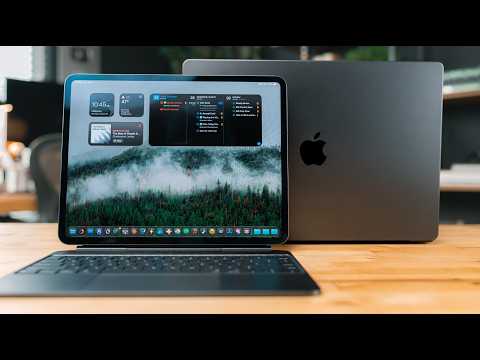
Software is where the iPad Air 4 truly shines in 2021. With the maturity of iPadOS, the device supports complex Shortcuts and automation routines that can bridge the gap between cloud services and local processing. The inclusion of USB-C is a technical game-changer, allowing for the direct connection of high-speed external storage, cameras, and ethernet adapters. This connectivity is essential for developers and automation specialists who need to move large datasets into AI models locally on the device.
AI Implementation Score
To quantify the device's utility for modern technical workflows, we have developed the following score based on its AI processing capabilities and software integration:
| Category | Score (1-10) | Technical Justification |
|---|---|---|
| ML Inference Speed | 9/10 | 16-core Neural Engine handles Core ML frameworks exceptionally well. |
| Multitasking Efficiency | 8/10 | 4GB RAM is sufficient for most AI tasks, though slightly limiting for heavy video rendering. |
| External Connectivity | 9/10 | USB-C 3.1 Gen 1 allows 5Gbps data transfer for automation peripherals. |
| Energy/AI Ratio | 10/10 | The 5nm process provides the best performance-per-watt in its class for 2021. |
Final Verdict: Is It Worth It?

For the technical professional, the iPad Air 4 is undeniably worth it in 2021. While the M1 iPad Pro offers more overhead, the Air 4 hits the "sweet spot" of price-to-performance. It provides the necessary silicon intelligence to handle modern AI applications without the enterprise-level price tag. If your objective is to deploy mobile automation, manage smart systems, or utilize AI-enhanced creative tools, the Air 4 remains a top-tier recommendation for any Smart AI Fix toolkit.
