
The A12 Bionic Architecture: A Four-Year Stress Test in Machine Learning
When the iPhone XS Max debuted, it introduced the A12 Bionic, the industry's first 7nm chip featuring a dedicated 8-core Neural Engine. After 1,460 days of continuous operation, the device remains a fascinating study in AI efficiency and hardware longevity. While modern silicon has surpassed its raw throughput, the A12’s ability to handle 5 trillion operations per second continues to sustain a responsive user interface and complex automation workflows in a production environment.
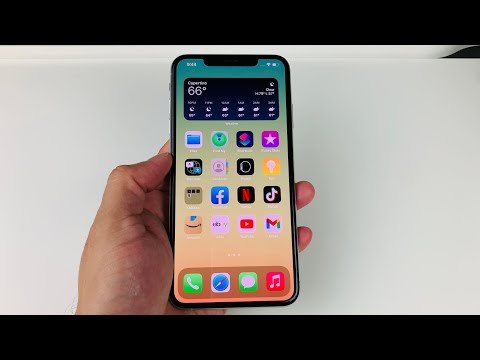
Transitioning through four major iOS iterations has revealed the strengths of Apple's vertical integration. From a technical perspective, the XS Max still manages high-level computational photography and real-time OCR (Optical Character Recognition) via Live Text with minimal latency. However, as software evolves to prioritize more intensive Transformer-based models, we are beginning to see the thermal constraints of this aging architecture during sustained peak loads.
AI Implementation Score: Long-Term Performance Metrics
To evaluate the iPhone XS Max’s standing in the current ecosystem of AI-driven productivity, we have developed the following scoring matrix based on four years of empirical data:
| Category | Metric (0-10) | Technical Observation |
|---|---|---|
| Neural Engine Efficiency | 7.5 | A12 holds up well for Siri Shortcuts and on-device NLP. |
| OCR & Image Processing | 8.0 | Live Text and Visual Look Up remain snappy and accurate. |
| Battery/Thermal Management | 5.5 | Significant degradation; AI tasks cause rapid thermal throttling. |
| Automation Reliability | 9.0 | Siri Shortcuts execution is consistent across all iOS versions. |
| Software Longevity | 8.5 | Superior optimization for 4-year-old hardware. |
Computational Photography and Automation Integration

The Smart HDR capabilities of the XS Max were groundbreaking at launch, utilizing the Neural Engine to merge multiple frames into a single high-dynamic-range image. In 2024, the device still produces professional-grade results for social media and technical documentation, though it lacks the Night Mode processing found in the A13 and later. For automation enthusiasts, the XS Max serves as a reliable node for HomeKit environments and complex "Smart AI Fix" routines, such as automated data logging and cross-platform synchronization.
The 6.5-inch Super Retina OLED display remains a high-performance canvas for data visualization. While it lacks the 120Hz ProMotion found in newer models, the color accuracy is sufficient for UI/UX prototyping and mobile development testing. The primary bottleneck encountered after four years is the 4GB of RAM, which occasionally leads to aggressive background app suspension when running heavy AI-assisted editing tools.
Final Technical Assessment

The iPhone XS Max remains a viable tool for users who prioritize software stability and standard AI tasks over bleeding-edge processing power. While the battery life will necessitate a replacement or external power solutions for heavy users, the core compute modules remain robust. For those looking for a "cheap" entry point into the Apple ecosystem for automation and development, the XS Max provides a high ROI (Return on Investment) even four years post-release.
