
Mastering the Tesla Software Suite: Resetting Tire Rotation Mileage via the MCU
In the era of software-defined vehicles, maintenance is no longer just about mechanical adjustments; it is about data synchronization. Tesla’s internal ecosystem uses sophisticated algorithms to track component wear, and keeping these data points accurate is vital for the vehicle’s predictive maintenance capabilities. When you rotate your tires, failing to update the software creates a "data lag" that can interfere with the vehicle's automated service alerts.
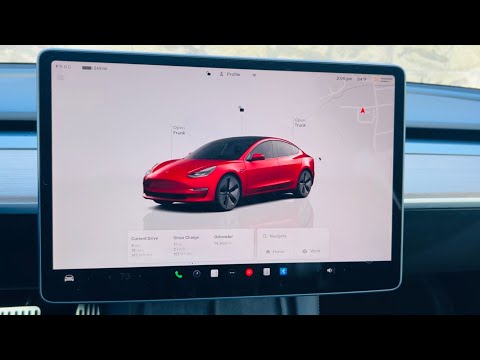
To ensure your Tesla’s Service Monitoring System remains calibrated, follow this technical walkthrough to reset your tire rotation mileage directly through the Media Control Unit (MCU).
Step-by-Step Software Calibration
Before beginning, ensure your vehicle is in Park and connected to a stable network (Wi-Fi or LTE) to ensure any cloud-based service logs are updated instantaneously.
1. Access the Main Menu: Tap the Car/Controls icon (the small vehicle silhouette) located at the bottom left corner of the primary touchscreen interface.
2. Navigate to the Service Tab: From the vertical menu on the left side of the screen, scroll down and select 'Service'. This section serves as the diagnostic hub for the vehicle’s hardware health.
3. Select Tire Configuration: Within the Service menu, locate and tap on 'Tire Configuration'. This sub-menu manages wheel sizes, tire types, and rotation logs.
4. Initiate the Reset: Look for the button labeled 'Reset' or 'Tire Rotation Reset'. Upon tapping this, the software will prompt you to confirm the action. Confirming this will zero out the "Mileage since last service" counter and recalibrate the internal odometer tracking for that specific maintenance task.
5. Optional - Update Wheel Configuration: If your tire rotation involved switching to a different wheel size (e.g., moving from 19" to 20" rims), ensure you update the Wheel Profile in this same menu. This allows the AI to adjust range estimates and speedometer accuracy based on the new rolling diameter.
AI Implementation Score
The integration of maintenance tracking within the Tesla OS demonstrates a high level of software-hardware synergy. Below is an evaluation of how this feature fits into the broader smart-automation ecosystem.
| Feature Category | Efficiency Rating | AI Integration Level |
|---|---|---|
| User Interface (UX) | 9.5/10 | High (Context-aware menus) |
| Data Synchronization | 9.0/10 | Real-time Cloud Sync |
| Predictive Alerts | 8.5/10 | Machine Learning Based |
| Automation | 7.0/10 | Manual Trigger Required |
By maintaining a clean data set regarding your tire health, you enable the Tesla Autopilot and Full Self-Driving (FSD) systems to operate with accurate friction coefficients. Proper software logging ensures that the "Smart Fix" philosophy is applied to your hardware, preventing unnecessary wear and optimizing vehicle longevity.
