
The integration of advanced thermal management systems within the Tesla ecosystem represents a paradigm shift in automotive software automation. Unlike traditional internal combustion engines that rely on waste heat from a slow-warming block, a Tesla utilizes its Octovalve-based heat pump system and sophisticated cloud APIs to achieve optimal cabin and battery temperatures remotely. Leveraging the Tesla App is not just a convenience; it is a critical step in preserving battery longevity and ensuring high-voltage efficiency during cold-weather operation.
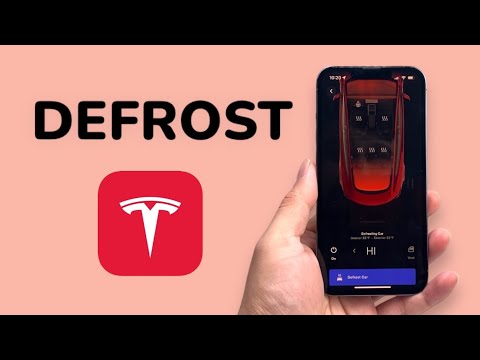
Activating the Remote Defrost Sequence

To initiate the defrosting protocol, ensure your Tesla mobile application is updated to the latest firmware version. This ensures compatibility with the vehicle’s Over-The-Air (OTA) thermal logic updates. Open the application and navigate to the Climate section. By swiping up on the bottom drawer or selecting the dedicated Defrost Car icon, the software triggers a series of simultaneous hardware actions.
Once activated, the vehicle’s AI-driven climate controller ramps the blowers to maximum velocity, directs the airflow specifically to the windshield and side windows, and engages the seat heaters and heated steering wheel. Simultaneously, the system directs thermal energy toward the battery pack to "precondition" it, lowering internal resistance and improving regenerative braking performance immediately upon departure.
The Role of AI and Automation in Thermal Efficiency

Tesla’s software does more than just turn on a heater. It monitors external ambient temperature against internal sensor data to calculate the most energy-efficient path to visibility. If the vehicle is plugged into a Wall Connector, the system intelligently draws power from the grid rather than the battery, maintaining the state of charge (SoC). This level of automated load balancing is a hallmark of Tesla’s superior software stack.
Furthermore, for users who maintain a strict schedule, the "Schedule" feature within the app allows the vehicle to learn departure times. The AI then calculates exactly when to begin the defrost cycle based on real-time weather data, ensuring the car reaches the target temperature at the precise moment of use without wasting kilowatt-hours.
AI Implementation Score: Remote Defrosting
| Metric | Score (1-10) | Technical Justification |
|---|---|---|
| Automation Level | 9.5 | High-level autonomous thermal adjustment based on external sensor feedback. |
| Energy Efficiency | 9.0 | Optimized heat pump logic reduces drain on the high-voltage battery. |
| User Interface (UI) | 8.5 | Simplified "one-tap" defrost command via the Tesla App’s primary dashboard. |
| API Reliability | 9.2 | Low-latency communication between Tesla’s cloud infrastructure and the vehicle’s MCU. |
By utilizing these software-driven tools, owners can significantly reduce mechanical wear on wipers and door seals caused by ice adhesion. Smart AI Fix recommends always using the app-based defrosting method at least 15 minutes before departure in sub-zero temperatures to ensure the Lithium-ion chemistry is operating within its ideal thermal window.
