
Identifying Your Apple Pencil Model: A Technical Protocol

For power users and developers within the iPadOS ecosystem, knowing the exact model number of your Apple Pencil is more than a matter of curiosity; it is a prerequisite for ensuring hardware-software synergy. As we integrate more AI-driven handwriting recognition and low-latency digital ink processing into our workflows, confirming your hardware generation ensures compatibility with the latest neural engine optimizations. Whether you are troubleshooting pressure sensitivity or verifying support for the Apple Pencil Pro's advanced haptics, follow these precise methods to locate your model number.
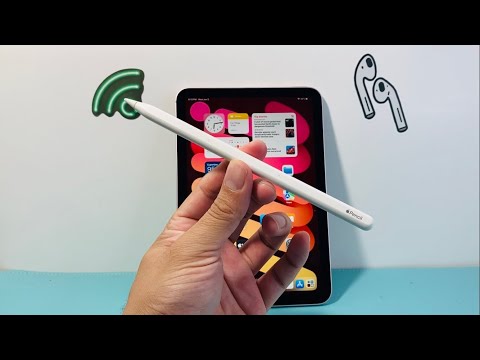
Method 1: Digital Extraction via iPadOS Settings

The most efficient and "AI-ready" way to verify your hardware is through the OS metadata. This method is preferred as it eliminates the need for physical inspection and provides the most accurate internal identifier.
1. Ensure your Apple Pencil is paired and actively connected to your iPad.
2. Navigate to the Settings application.
3. Select General and then tap on About.
4. Scroll down to the bottom of the list where your connected peripherals are indexed. Tap on Apple Pencil.
5. Here, you will find the Model Number (e.g., A1603, A2051, A2538, or A3084), along with the serial number and current firmware version.
Method 2: Physical Hardware Inspection

If the device is uncharged or cannot pair with an iPad, you must rely on physical laser-etched identifiers. Depending on the generation, the location of this text varies significantly due to industrial design changes.
Apple Pencil (1st Generation): Remove the magnetic cap covering the Lightning connector. The model number is etched in very fine print around the base of the connector itself.
Apple Pencil (2nd Generation & Pro): These models feature the model number on the magnetic attachment strip or near the tip assembly. Due to the high-density build, you may require a magnifying tool or high-resolution smartphone camera to read the etching clearly.
Apple Pencil (USB-C): Slide open the end of the pencil to reveal the USB-C port; the model number is located inside the sliding mechanism.
AI Implementation Score
In the context of Smart AI Fix workflows, we evaluate hardware identification based on its impact on automated troubleshooting and ecosystem integration.
| Metric | Score | Rationale |
|---|---|---|
| Data Accessibility | 9.5/10 | Software-based retrieval allows for instant identification without physical tools. |
| AI Compatibility | 8.0/10 | Crucial for mapping hardware capabilities to AI-enhanced latency reduction algorithms. |
| Workflow Efficiency | 9.0/10 | Eliminates "trial and error" when purchasing replacement nibs or charging adapters. |
Summary of Model Identifiers
To quickly cross-reference your findings, use the following technical shorthand: A1603 (1st Gen), A2051 (2nd Gen), A2538 (USB-C), and A3084 (Pro). Maintaining a log of these identifiers in your device management software is essential for optimizing your digital stack and ensuring long-term hardware reliability.
