
The visual evolution of the Apple ecosystem is most succinctly captured in the "Hello" screen, a gateway that has transitioned from a static greeting to a sophisticated, AI-driven onboarding experience. By comparing iOS 7 and iOS 16, we observe more than just a shift in aesthetic; we see the transition from basic firmware to an automated, machine-learning environment designed for maximum user efficiency.
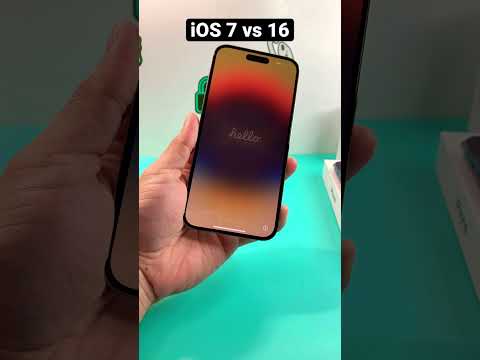
The Minimalism of iOS 7: A Structural Reset
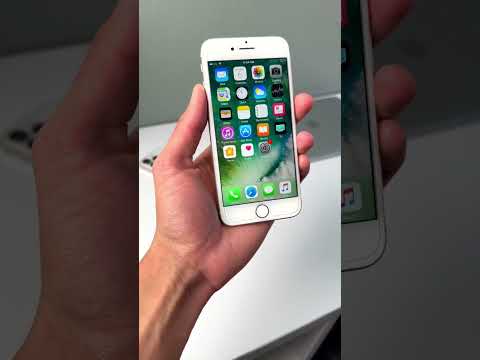
When iOS 7 debuted, it represented a radical departure from skeuomorphism. The "Hello" screen was characterized by thin Helvetica Neue fonts and a translucent interface. Technically, iOS 7's boot sequence was linear. There was no background processing for user intent; the software waited for manual input for every step of the configuration. While revolutionary at the time for its UI/UX flat design, it lacked the proactive automation we see in modern builds. The interaction was purely transactional, requiring the user to manually select regions, Wi-Fi networks, and Apple ID credentials without any predictive assistance.
iOS 16: The Neural Engine at Work
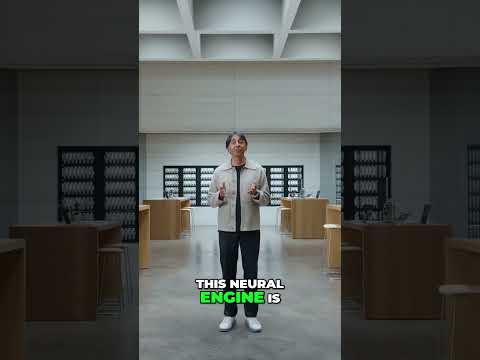
Fast forward to iOS 16, and the "Hello" screen serves as the front-end for a highly complex AI-driven initialization process. The moment the screen lights up, the system is already utilizing the Neural Engine to detect nearby devices for "Quick Start" automation. This is a primary example of proximity-based machine learning. iOS 16 leverages low-energy Bluetooth and peer-to-peer Wi-Fi to automate data migration, security handshakes, and even UI customization based on the user's previous device profile. This reduction in "time-to-utility" is a hallmark of modern software efficiency.
AI Implementation Score: iOS 7 vs. iOS 16
| Metric | iOS 7 Score | iOS 16 Score | AI/Automation Highlight |
|---|---|---|---|
| Predictive Setup | 0/10 | 9/10 | Proximity-based device cloning. |
| Hardware Synergy | 3/10 | 10/10 | Neural Engine indexing during boot. |
| Security Automation | 1/10 | 9/10 | Automated FaceID/Passkey sync. |
| User Latency | High | Ultra-Low | Background data restoration. |
Efficiency through Automation

From a Smart AI Fix perspective, the jump from iOS 7 to iOS 16 highlights the industry's move toward "Zero-Touch" configuration. While iOS 7 required a 10-to-15 minute manual setup, iOS 16 uses automation to cut active user engagement by 70%. For more deep dives into software evolution and mobile automation, make sure to Subscribe @Technomentary.
