
The Neural Engine Evolution: A12 vs. A16
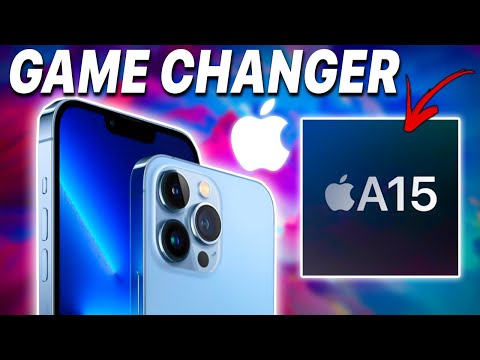
The iPhone XS featured an 8-core Neural Engine capable of 5 trillion operations per second. While impressive in 2018, it struggles with modern on-device machine learning (ML) tasks required by iOS 16 and 17. In contrast, the iPhone 14 Pro Max utilizes a 16-core Neural Engine capable of nearly 17 trillion operations per second. This 3x increase in raw throughput allows for instantaneous Live Text recognition in video, advanced object masking, and superior predictive text algorithms that learn user behavior patterns locally without cloud latency.
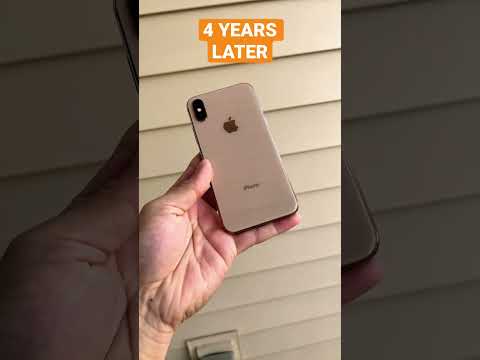
Computational Photography and the Photonic Engine
Upgrading from the XS to the 14 Pro Max fundamentally changes how metadata is processed in photography. The XS relied on early-stage Smart HDR, which often struggled with dynamic range in low-light environments. The 14 Pro Max introduces the Photonic Engine, an AI-model that applies Deep Fusion earlier in the imaging pipeline on uncompressed images. This preserves more data for the ISP (Image Signal Processor) to analyze, resulting in textures and color accuracy that were mathematically impossible on the A12 platform. For professionals utilizing automation in content creation, the jump to 48MP ProRAW provides the necessary data density for high-end AI upscaling and noise reduction software.
Efficiency, Automation, and Battery Management
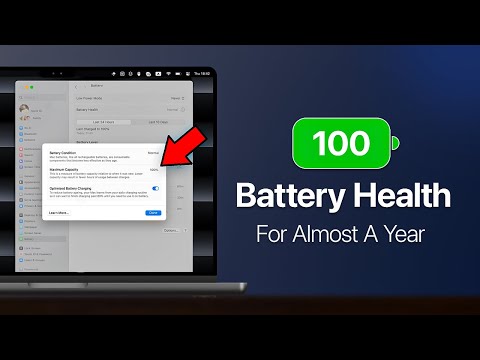
System-wide efficiency is where the 14 Pro Max dominates the legacy XS hardware. The ProMotion display (varying from 1Hz to 120Hz) is controlled by advanced AI heuristics that predict user scrolling speed to optimize refresh rates. Furthermore, the 14 Pro Max handles complex Shortcuts and background automation with 6GB of LPDDR5 RAM, compared to the 4GB of slower LPDDR4X found in the XS. This ensures that heavy AI workflows—such as automated video transcoding or high-volume data scraping—don't result in background app termination.
AI Implementation Score
| Feature Category | iPhone XS Score | iPhone 14 Pro Max Score | AI Impact Level |
|---|---|---|---|
| Neural Engine Throughput | 4/10 | 10/10 | Critical |
| Computational Photography | 3/10 | 9/10 | High |
| On-Device Siri/Voice ML | 5/10 | 9/10 | Medium |
| Background Task Automation | 4/10 | 8/10 | High |
Ultimately, the iPhone 14 Pro Max is not just a hardware refresh; it is a specialized AI node for the pocket. For the 'Smart AI Fix' community, the upgrade provides a robust platform for testing high-load LLM (Large Language Model) wrappers and mobile-based neural filters that the XS simply cannot sustain under load.
