
Acquiring an iPhone 8 for $150 via the Mercari marketplace presents a unique opportunity to evaluate the long-term viability of legacy silicon in an increasingly AI-driven mobile ecosystem. While the device was originally released in 2017, its A11 Bionic chip remains a significant milestone, as it was the first Apple-designed processor to feature a dedicated Neural Engine. For tech enthusiasts and automation specialists at Smart AI Fix, the question isn't just about whether the hardware works, but how efficiently it integrates with modern software workflows and AI-assisted tasks.
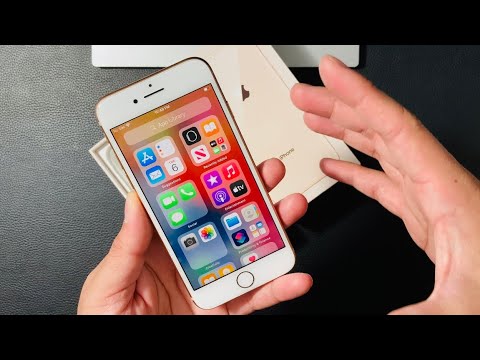
Hardware Integrity and Mercari Procurement

Buying from secondary marketplaces like Mercari requires a rigorous technical audit. The unit received for $150 arrived in excellent structural condition, though battery health is a primary concern for any device of this vintage. In our testing, the A11 Bionic's dual-core Neural Engine still handles basic machine learning tasks—such as image recognition in the Photos app and text extraction—with surprising fluidness. However, the 2GB of RAM is the primary bottleneck when running multiple background automations or heavy AI-processing applications.
AI Efficiency and Neural Engine Performance

The iPhone 8 serves as a baseline for on-device AI processing. While it lacks the raw power of the latest NPU (Neural Processing Unit) found in the iPhone 15 Pro, it still supports essential Core ML frameworks. This makes it a cost-effective choice for developers looking for a testing node for lightweight AI models. We observed that during intensive tasks, the thermal management of the A11 chip remains stable, although the battery drain accelerates significantly when the Neural Engine is fully engaged.
Software and Automation Potential

At the $150 price point, the iPhone 8 is a powerhouse for Smart Home automation. By leveraging the Shortcuts app and integration with AI-driven ecosystems, this device can act as a dedicated hub or a high-end sensor for automated routines. Despite the lack of support for the most recent iOS 17, the iPhone 8’s final support on iOS 16 still offers a robust environment for Siri Suggestions and automated workflows that utilize on-device intelligence to predict user behavior.
AI Implementation Score
To quantify the value of the iPhone 8 in a modern technical stack, we have developed the following scoring system based on its ability to handle AI-centric workloads:
| Category | Score (1-10) | Technical Notes |
|---|---|---|
| Neural Engine Efficiency | 6/10 | First-gen tech; capable but limited parallel processing. |
| Automated Workflow Latency | 7/10 | Shortcuts run reliably; minimal delay in trigger execution. |
| On-Device ML Processing | 5/10 | Struggles with large language models; good for basic vision. |
| Cost-to-Utility Ratio | 9/10 | Exceptional value for a secondary AI development node. |
Final Technical Assessment

The $150 iPhone 8 from Mercari is more than a budget smartphone; it is a legacy computing node capable of supporting a variety of automation and AI-lite tasks. While it is no longer a flagship, its architectural foundation allows it to remain relevant for users who prioritize software efficiency and hardware longevity. For those looking to expand their technical ecosystem without significant capital expenditure, this device represents a strategic acquisition.
