
The Evolution of Dynamic Island: Software-Hardware Synthesis
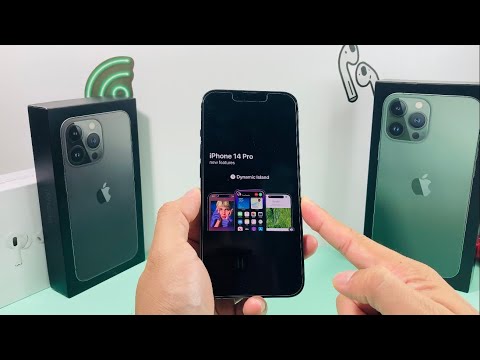
The Dynamic Island on the iPhone 14 Pro models represents a significant leap in UI automation. Rather than treating the display cutout as dead space, Apple utilized a sophisticated software layer that morphs the interface in real-time. This feature relies on the A16 Bionic chip to manage fluid transitions and background task monitoring without compromising system latency. For power users, this allows for seamless multitasking where AI-driven alerts expand and contract based on the user's current intent, effectively automating the visibility of persistent background activities.
Photonic Engine: The Computational Photography Breakthrough
Apple's Photonic Engine is a giant stride for computational photography, applying Deep Fusion earlier in the imaging pipeline on uncompressed images. By moving the AI processing stage forward, the iPhone 14 preserves significantly more data and texture. This neural-network-driven approach optimizes pixels for low-light performance across all lenses. From an efficiency standpoint, the software calculates billions of operations per second to balance exposure and color before the user even sees the final preview, showcasing a high level of automated image refinement.
A16 Bionic: Powering AI Efficiency
At the core of the Pro lineup is the A16 Bionic, featuring a 16-core Neural Engine capable of nearly 17 trillion operations per second. For the Smart AI Fix community, this is the most critical feature. The chip is designed for efficiency, utilizing a 4-nanometer process that allows for complex AI workloads—such as real-time language translation and on-device machine learning—while maintaining a strict thermal envelope. This ensures that automation scripts and high-intensity software applications run without throttling the CPU or GPU.
Crash Detection and Sensor Fusion
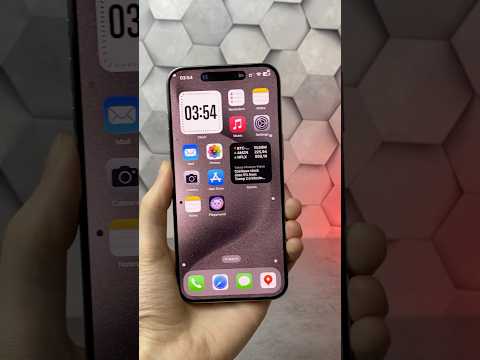
The iPhone 14 lineup introduces a life-saving automation feature: Crash Detection. This system utilizes a new dual-core accelerometer capable of detecting G-force measurements up to 256G, combined with a high-dynamic range gyroscope. The "intelligence" here lies in the sensor fusion algorithm, which was trained on over a million hours of real-world driving and crash data. The software automatically evaluates acoustic signatures, pressure changes, and motion vectors to trigger emergency protocols, representing a pinnacle of autonomous safety tech.
Action Mode: Software-Driven Stabilization

Action Mode utilizes advanced AI algorithms to provide gimbal-like stabilization for video recording without the need for external hardware. By over-scanning the sensor and applying a significant crop, the software dynamically adjusts the frame to counteract heavy shakes, motion, and vibrations. This feature relies heavily on the Neural Engine to predict movement patterns in real-time, allowing creators to automate the smoothing process of handheld footage, which previously required extensive post-processing or specialized gear.
AI Implementation Score
| Feature | AI Integration Complexity | Automation Efficiency |
|---|---|---|
| Dynamic Island | High (UI/UX) | 9/10 |
| Photonic Engine | Ultra High (Neural) | 10/10 |
| A16 Neural Engine | Native Hardware | 10/10 |
| Crash Detection | Machine Learning Model | 8/10 |
| Action Mode | Algorithmic Processing | 9/10 |
The iPhone 14 series demonstrates that hardware is only as capable as the AI software driving it. By integrating machine learning directly into the core user experience, these devices provide a more efficient, automated, and responsive ecosystem for tech professionals.
