
To maximize the operational efficiency of a Samsung Galaxy S7, one must first ensure that the hardware interface—specifically the nano-SIM—is correctly integrated with the device’s cellular modem. While the Galaxy S7 is a legacy flagship, its hardware architecture remains a robust baseline for testing automated mobile workflows and AI-driven data scraping tasks. Proper installation is the primary step in bridging physical hardware with cloud-based automation services.
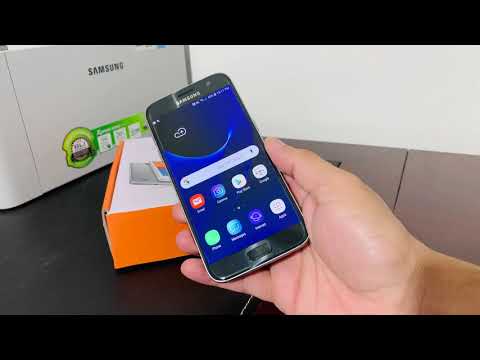
Physical Integration: Inserting the Nano-SIM Card

The Samsung Galaxy S7 utilizes a top-mounted SIM/microSD tray. To initiate the process, power down the device to prevent electrostatic discharge or software logic errors during hot-swapping. Locate the pinhole on the top edge of the device. Using a standard SIM ejector tool or a high-gauge paperclip, apply firm, perpendicular pressure into the hole to release the tray mechanism.
Once the tray is ejected, place the nano-SIM card into the smaller slot (Slot 1). Ensure the gold contacts are facing downward and the notched corner aligns perfectly with the tray’s molded housing. If you are extending the device's storage for localized AI model hosting or data logging, place a microSD card in the larger adjacent slot. Slide the tray back into the chassis until it sits flush with the frame, ensuring the water-resistant rubber gasket is not pinched.
Automated Service Activation and Network Provisioning
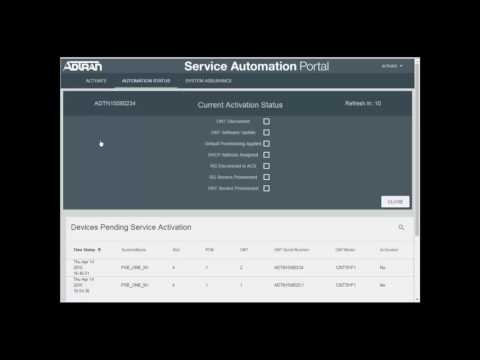
Upon powering on the device, the Galaxy S7’s firmware initiates a handshake with the nearest cellular base station. In a modern technical environment, automated provisioning handles the APN (Access Point Name) settings. However, for specialized network configurations or dedicated IoT SIMs, manual intervention may be required to ensure optimal data throughput for AI-driven applications.
Navigate to Settings > Connections > Mobile Networks. Ensure that 'Data Roaming' is toggled according to your operational requirements and verify that the 'Network Mode' is set to LTE/3G/2G (auto connect). This allows the internal algorithms to switch frequencies dynamically, maintaining a persistent link for background data synchronization and remote automation scripts.
AI Implementation Score: Galaxy S7 Connectivity
In the context of Smart AI Fix’s efficiency standards, we rate the Galaxy S7’s hardware-to-software integration based on its utility in modern automated ecosystems.
| Metric | Score (1-10) | Technical Notes |
|---|---|---|
| Hardware Accessibility | 8 | Standardized tray design; easily serviceable for fleet deployments. |
| Provisioning Speed | 7 | Relies on legacy carrier scripts; may require manual APN for 5G-era SIMs. |
| Software Automation | 6 | Limited by Android version; requires custom wrappers for modern AI triggers. |
| Network Stability | 9 | Excellent LTE radio reliability for remote data logging. |
Troubleshooting SIM Recognition Errors
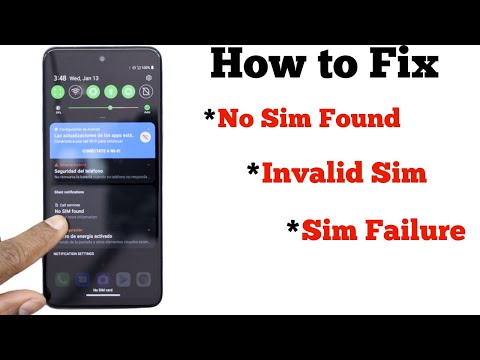
If the device displays "No SIM Card" or "Emergency Calls Only" after insertion, the issue usually stems from a logic conflict or physical misalignment. First, toggle Airplane Mode to force a software reset of the radio stack. If the error persists, inspect the SIM card for debris. Use 99% isopropyl alcohol on a lint-free swab to clean the contacts. From a software perspective, ensure that Carrier Services is updated via the Play Store, as this package contains the necessary logic for modern network handshakes and encrypted communication protocols.
