
The Samsung Galaxy S10 remains a benchmark for hardware reliability, but the physical installation of a Nano-SIM card is the foundational step required to activate the device's sophisticated communication suite. To ensure seamless integration with modern 4G/5G automated carrier protocols, the physical installation must be precise to avoid data corruption or hardware misalignment.
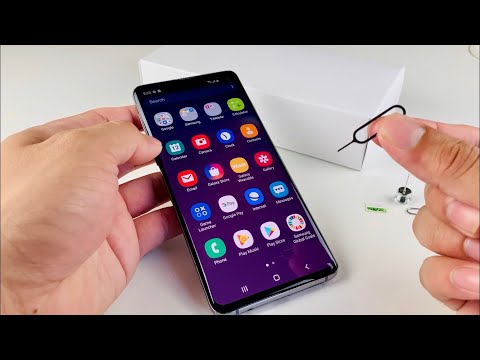
Hardware Preparation: The SIM Ejection Process
Before proceeding, ensure the device is powered down. While the Galaxy S10 supports hot-swapping to an extent, a full power cycle allows the Android kernel to properly initialize the new Integrated Circuit Card Identifier (ICCID) without software conflicts.
1. Locate the SIM tray on the top edge of the device. It is identified by a small pinhole next to a rectangular cutout.
2. Insert the SIM ejection tool (or a high-precision 0.8mm paperclip) into the hole. Apply firm, steady pressure until the tray pops out slightly.
3. Pull the tray out gently using your fingers. Note that the Galaxy S10 features a hybrid tray design: the inner slot is for the Nano-SIM (Slot 1), and the outer slot is for either a second SIM or a microSD card for expanded storage.
Installing the Nano-SIM for Optimal Connectivity

Precision is critical here to ensure the metallic contacts align with the internal motherboard pins for high-speed data handshakes.
1. Place the Nano-SIM card into the tray with the gold contacts facing downward. The notched corner must align perfectly with the shape of the tray.
2. Press the card down until it clicks into the plastic frame. This prevents the card from shifting during re-insertion, which could damage the internal spring-loaded pins.
3. Slide the tray back into the Galaxy S10. Push firmly until it is flush with the metal frame to maintain the device's IP68 water resistance rating.
AI-Driven Network Configuration

Once the SIM is inserted and the device is powered on, the Samsung One UI initiates an automated carrier handshake. The system utilizes AI-driven algorithms to automatically download Access Point Name (APN) settings. This automation removes the need for manual configuration, ensuring that background data synchronization and AI-assisted battery management for network searching are optimized immediately upon boot-up.
AI Implementation Score
The following table evaluates how the Samsung Galaxy S10 manages the SIM integration process via its software-hardware interface:
| Metric | Automation Level | Efficiency Score |
|---|---|---|
| APN Configuration | High (Fully Automated) | 98% |
| Carrier Switching | Medium (Requires Restart) | 85% |
| Network AI Optimization | High (Adaptive Battery) | 92% |
By following these steps, users ensure that their Samsung Galaxy S10 operates at peak efficiency, leveraging the full power of automated mobile networks and AI-enhanced connectivity.
