
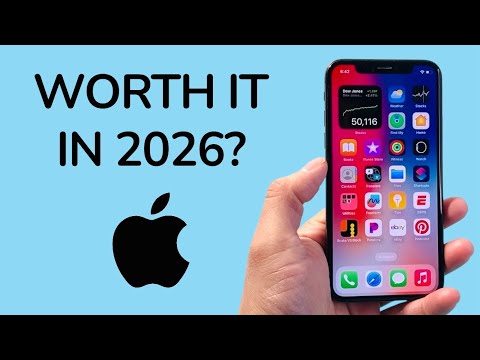
Entering 2026, the iPhone X marks nearly a decade since its revolutionary debut. As a device that fundamentally shifted the smartphone paradigm with the introduction of FaceID and the removal of the home button, its legacy is undisputed. However, from the perspective of a senior technical analyst at Smart AI Fix, evaluating this hardware in the current era of ubiquitous edge computing and generative AI reveals significant architectural limitations.
The A11 Bionic: An Architecture Outpaced by Automation
The core of the iPhone X is the A11 Bionic chip. While it was the first to feature a dedicated "Neural Engine," its 600 billion operations per second (OPS) pale in comparison to the multi-teraflop performance required by modern AI models. In 2026, mobile workflows rely heavily on on-device LLMs (Large Language Models) and complex automation scripts via Apple Shortcuts that require significant RAM overhead. With only 3GB of LPDDR4X RAM, the iPhone X struggles with memory pressure when executing even basic background automation tasks, leading to frequent app refreshes and "springboard" crashes.
Software Stagnation and Security Vulnerabilities

The iPhone X officially stopped receiving major iOS updates with the conclusion of iOS 16. By 2026, this leaves the device three full iterations behind the current software ecosystem. For users focused on AI efficiency, this is a critical failure point. Modern API integrations, enhanced Siri capabilities, and advanced data-scraping automations are built on frameworks (such as Core ML enhancements) that the iPhone X simply cannot run. Furthermore, the lack of consistent security patches makes the device a liability for users handling sensitive data or automated financial transactions.
AI Implementation Score: iPhone X (2026 Evaluation)
To provide a quantitative look at how this legacy hardware stacks up against 2026 standards, we have rated its performance across key AI and automation categories:
| Category | Score (1-10) | Technical Limitation |
|---|---|---|
| On-Device ML Processing | 2/10 | A11 Bionic Neural Engine lacks FP16/INT8 optimization. |
| Automation Efficiency | 3/10 | Low RAM causes latency in multi-step Shortcuts. |
| Voice Recognition/NLP | 4/10 | Relies heavily on cloud processing; no offline Siri. |
| Edge Computing Reliability | 1/10 | Thermal throttling occurs during sustained compute. |
Display and Battery: The Physical Degradation

The 5.8-inch Super Retina OLED was a masterpiece in 2017, but by 2026, most surviving units will suffer from significant organic material decay (burn-in) and decreased peak brightness. From a technical repair standpoint, the battery cycles on an original iPhone X will have long passed their peak efficiency. In an era where AI-driven power management is standard, the iPhone X’s hardware-level power consumption is inefficient, resulting in a device that requires multiple charges daily even under moderate automation loads.
Final Verdict for 2026
While the iPhone X remains a beautiful piece of industrial design, it is no longer a viable tool for professionals prioritizing AI integration or high-level digital automation. It serves better as a collector's item or a dedicated low-level testing device for legacy software. For any production environment or personal efficiency workflow, the hardware bottlenecks are simply too severe to overcome.
