
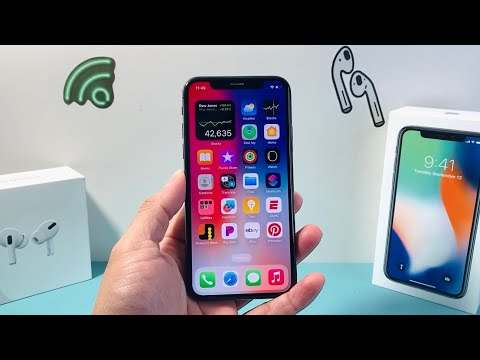
As we navigate the mobile landscape of 2025, the iPhone X represents a historical pivot point in smartphone architecture. However, from the perspective of high-level AI efficiency and modern automation workflows, this 7-year-old device faces significant technical hurdles. At Smart AI Fix, we evaluate hardware based on its ability to handle local inference, neural processing, and seamless software integration. The iPhone X, powered by the A11 Bionic chip, was the first to introduce a dedicated Neural Engine, but by today’s standards, that hardware is functionally legacy.
The Software Bottleneck: iOS 16 and Security
The most critical factor for any power user in 2025 is the software ceiling. The iPhone X is officially capped at iOS 16. While Apple continues to provide occasional security patches, the device is excluded from iOS 17 and iOS 18. This means users are locked out of the latest Apple Intelligence features, advanced Siri automation, and the upgraded Neural Engine optimizations found in newer iterations of iPadOS and iOS. For a tech stack focused on AI-driven productivity, missing out on the latest API hooks for LLM (Large Language Model) integration is a dealbreaker.
Hardware Performance and Neural Engine Limitations

The A11 Bionic's Neural Engine was designed for simple tasks like FaceID and basic image processing. In 2025, modern mobile AI applications—such as real-time voice synthesis or local image generation—require significantly higher TOPS (Tera Operations Per Second). The 3GB of RAM in the iPhone X further restricts multitasking. When running modern automation scripts via Shortcuts or managing high-frequency data syncs for IoT environments, the latency is palpable compared to the instantaneous response of the A18 or M-series chips.
AI Implementation Score
To provide a clear metric for our readers, we have rated the iPhone X across four key pillars of modern AI utility:
| Category | Score (1-10) | Technical Note |
|---|---|---|
| On-Device Inference | 2/10 | Incapable of running local LLMs; limited to cloud-based processing. |
| Automation Capability | 4/10 | Supports basic Shortcuts; lacks modern triggers and App Intents. |
| Neural Engine Efficiency | 3/10 | High battery drain during ML tasks due to dated architecture. |
| Security Integration | 5/10 | Secure Enclave remains functional, but lacking latest OS hardening. |
Display and Battery: The Physical Reality

Despite its age, the 5.8-inch Super Retina OLED remains a high-quality panel, offering excellent contrast ratios for data visualization. However, the efficiency of the display controller is outdated. In 2025, most original iPhone X units will suffer from significant battery degradation. Even with a fresh replacement, the lack of hardware-level power management found in newer silicon means that running AI-intensive apps will deplete the charge in a matter of hours, compromising its role as a reliable mobile workstation.
Final Verdict for 2025

The iPhone X is a remarkable piece of engineering that changed the industry, but for the Smart AI Fix professional, it is no longer a viable primary device. It lacks the NPU (Neural Processing Unit) overhead required for the next generation of generative AI tools. While it may serve as a functional secondary device for basic testing or legacy app support, we recommend at least an iPhone 15 Pro or newer to leverage the full suite of modern AI automation and system-wide intelligence.
