
Technical Landscape of the A11 Bionic in 2024
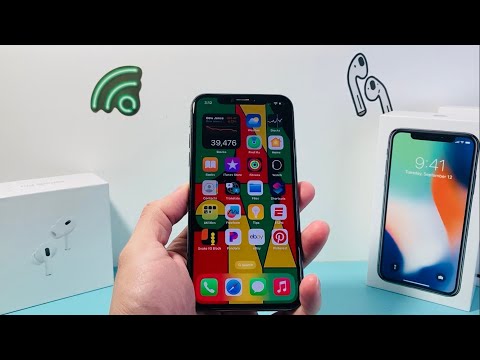
The Apple iPhone X, launched in late 2017, represented a paradigm shift in mobile architecture, introducing the A11 Bionic chip. This was the first iteration to feature a dedicated Neural Engine, designed to handle machine learning tasks independently of the CPU and GPU. However, in 2024, the hardware limitations of this dual-core Neural Engine are evident. While it can still handle basic image recognition and Face ID authentication with relative speed, it lacks the computational overhead required for modern generative AI models or complex local LLM (Large Language Model) execution.
Software Limitations and Automation Constraints
A critical factor for any professional focusing on software efficiency is the operating system lifecycle. The iPhone X is capped at iOS 16, meaning it has been excluded from the iOS 17 and iOS 18 ecosystem. For users relying on Apple Intelligence or the latest automation frameworks, the iPhone X is a legacy device. The inability to access the latest API hooks means that advanced Shortcuts and cross-app automation workflows often experience latency or outright incompatibility. Furthermore, the 3GB of LPDDR4X RAM is a significant bottleneck when running multiple background processes or resource-intensive AI-driven applications.
Hardware Longevity vs. Modern Demands

From a hardware perspective, the 5.8-inch Super Retina OLED display remains impressive, but it lacks the ProMotion high-refresh rates that define modern efficiency. In terms of battery chemistry, most original iPhone X units will have reached their maximum cycle count, necessitating a replacement to maintain stable voltage for the processor. Without a fresh battery, the A11 Bionic frequently throttles, severely impacting the execution speed of AI-based photo processing and augmented reality (AR) tasks.
AI Implementation Score
To quantify the iPhone X's utility in the current landscape, we have evaluated its performance across four key technical pillars:
| Category | Score (1-10) | Technical Reason |
|---|---|---|
| On-Device ML Processing | 3/10 | First-gen Neural Engine lacks FP16/INT8 optimization found in A17+. |
| Automation Capability | 4/10 | Limited by iOS 16; lacks the latest Siri/Shortcuts deep integration. |
| Generative AI Compatibility | 1/10 | Incapable of running local "Apple Intelligence" models. |
| Security Architecture | 5/10 | Includes Secure Enclave, but misses out on the latest kernel-level patches in iOS 17/18. |
The Verdict for 'Smart AI Fix' Readers

In the context of AI efficiency and automation, the iPhone X is no longer a viable primary device in 2024. While its aesthetic design and build quality remain iconic, the technical gap between the A11 Bionic and modern silicon is too vast for professional use. If your workflow requires on-device AI, seamless cloud-syncing with the latest Apple ecosystem, or high-speed automation, the iPhone X should be relegated to a secondary testing device or a legacy collector's item. For those looking for value, the iPhone 13 or 15 series offers the necessary NPU (Neural Processing Unit) performance to remain relevant in the age of mobile AI.
