
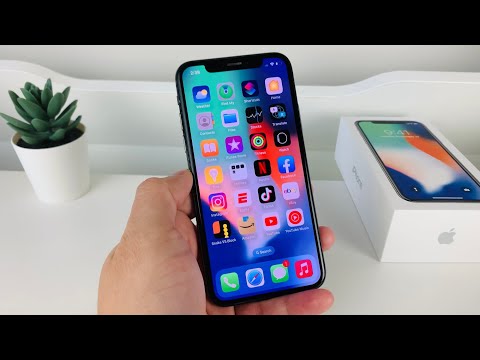
The Apple iPhone X, released in 2017 to commemorate the 10th anniversary of the iPhone, represented a fundamental paradigm shift in mobile architecture. From a hardware perspective, it introduced the A11 Bionic chip, Apple’s first foray into dedicated silicon designed for machine learning. In 2023, the relevance of this device depends entirely on one’s requirements for AI efficiency, computational photography, and system-level automation.
The A11 Bionic and Neural Engine Efficiency
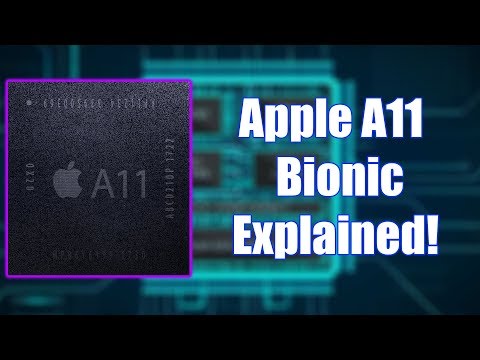
The A11 Bionic processor was revolutionary for its time, featuring a dual-core Neural Engine capable of handling up to 600 billion operations per second. While this sounds impressive, modern silicon like the A16 Bionic performs trillions of operations in the same timeframe. For the modern power user, the iPhone X struggles with heavy on-device AI processing. Tasks such as real-time video masking, complex Shortcuts automation involving OCR (Optical Character Recognition), and background app refresh for AI-driven data analysis show noticeable latency.
Software Constraints: The iOS 17 Ceiling

A critical technical consideration for 2023 is software support. The iPhone X is officially excluded from iOS 17. This is a significant blow for those relying on the latest automation frameworks and ecosystem security. While iOS 16 remains functional and receives security patches, users are locked out of the newest Neural Engine optimizations and the refined "Personal Voice" AI features. If your workflow relies on the latest Siri Intelligence or cross-app automation protocols, the iPhone X has effectively reached its hardware-software equilibrium point.
Display and Sensor Fusion: Face ID Reliability
The iPhone X pioneered the TrueDepth camera system. Even in 2023, the sensor fusion required for Face ID remains highly efficient. The 5.8-inch Super Retina OLED display provides excellent color accuracy for mobile testing and basic content consumption. However, the lack of a high-refresh-rate ProMotion display makes the interface feel sluggish compared to contemporary devices, regardless of the underlying computational speed.
AI Implementation Score: 2023 Evaluation
To determine if the iPhone X fits into a modern automated workflow, we have analyzed its performance across four key AI-driven categories:
| Metric | Score (1-10) | Technical Context |
|---|---|---|
| Facial Recognition (Face ID) | 8.5 | First-gen TrueDepth is still secure and reliable. |
| Computational Photography | 6.0 | Lacks Deep Fusion and Night Mode processing. |
| On-Device ML Processing | 4.5 | A11 Neural Engine is significantly throttled by modern LLMs. |
| Software Automation (Shortcuts) | 7.0 | Functional, but hardware overhead limits complex sequences. |
Verdict: Is the iPhone X Worth It?
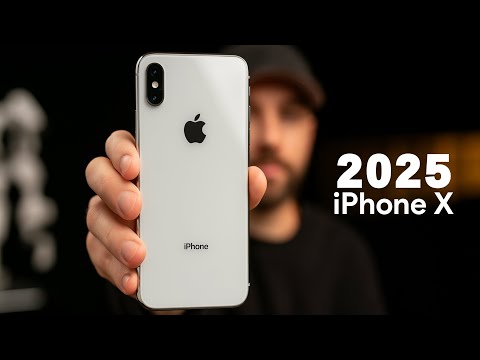
For a Senior Tech Blogger focusing on high-efficiency AI and seamless software integration, the iPhone X is increasingly difficult to recommend as a primary driver in 2023. While its aesthetic design remains timeless, the hardware limitations of the A11 chip and the lack of iOS 17 support create a bottleneck for modern automation and AI efficiency. It remains a viable secondary device for testing legacy apps or as a dedicated hardware controller for smart home systems, but for those seeking to leverage the cutting edge of mobile intelligence, an upgrade to at least the iPhone 13 series is technically advisable.
