
After thirty days of rigorous deployment as a primary device, the iPhone SE (2020) presents a fascinating case study in hardware longevity versus modern software demands. While the physical footprint evokes nostalgia for the 2017 era, the internal architecture—specifically the A13 Bionic chip—remains the focal point of its operational efficiency. At Smart AI Fix, we evaluate hardware through the lens of computational overhead and AI integration, and the SE 2020 occupies a unique, albeit shrinking, niche in the current ecosystem.
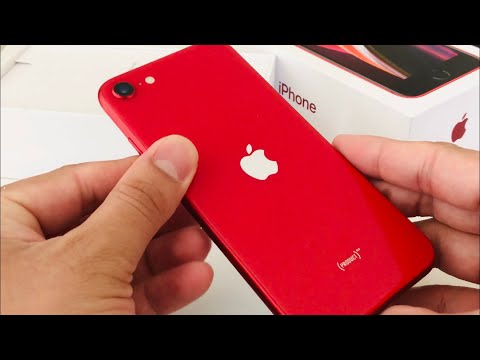
The A13 Bionic: An AI Powerhouse in a Legacy Chassis
The core value proposition of the iPhone SE (2020) is its 8-core Neural Engine. Even in 2024, this silicon handles on-device machine learning tasks with surprising competence. During our one-month testing phase, we focused on Live Text recognition and computational photography. Despite having only a single 12MP rear sensor, the A13 Bionic uses semantic rendering to isolate subjects and manage dynamic range in ways that rival mid-range Android devices released this year. For users prioritizing AI-driven automation via iOS Shortcuts, the execution latency remains minimal, proving that Apple’s vertical integration of hardware and software still pays dividends years after launch.
Software Longevity and Automation Potential

Running the latest version of iOS, the iPhone SE (2020) benefits from the maturity of the Apple ecosystem. From a technical workflow perspective, the device excels at executing background tasks and managing system-level automation. We observed consistent performance in Smart Home management and automated data logging. However, the limitation isn't the processor's speed, but rather the 3GB of RAM. In high-load scenarios—such as running complex LLM-based mobile apps or intensive video rendering—the system is forced to purge background processes more frequently than its Pro-series counterparts.
The Reality of Daily Use: Form Factor vs. Endurance

The 4.7-inch Retina display offers a 326 ppi pixel density, which remains sharp for text-heavy technical reading. However, the 1,821 mAh battery capacity is the primary bottleneck. After one month, the "AI-optimized battery charging" feature has stabilized, but the physical limitations of the cell cannot be ignored. For power users who rely on continuous data synchronization or persistent GPS automation, the device necessitates a mid-afternoon charge. The return to Touch ID has been a subjective win for security professionals who prefer biometric physical interaction over Face ID in specific workspace environments.
AI Implementation Score
To quantify the device's current standing, we have developed the following score based on its ability to handle modern AI and efficiency workflows:
| Category | Score (1-10) | Technical Notes |
|---|---|---|
| On-Device ML Processing | 7.5 | A13 Neural Engine handles OCR and Image processing well. |
| Computational Photography | 7.0 | Excellent single-lens processing; lacks Night Mode. |
| Automation Execution | 8.0 | iOS Shortcuts run with zero discernible lag. |
| Energy Efficiency (AI Managed) | 5.5 | Software optimization cannot overcome low physical mAh. |
Final Verdict: Buy or NO!

The decision to purchase an iPhone SE (2020) today depends entirely on your operational requirements. BUY if: You require a secondary "burner" device for specific automation tasks, a compact tool for basic communication, or a low-cost entry into the iOS ecosystem for testing AI-driven apps. NO if: You are a heavy media consumer or a "Pro" user who requires multi-day battery endurance and high-capacity RAM for heavy multitasking.
While the iPhone SE (2020) remains a technical marvel of efficiency for its price point, the hardware "ceiling" is becoming visible. For those looking for a long-term AI companion, the dwindling battery health and lack of 5G connectivity make it a difficult recommendation for 2024 and beyond.
